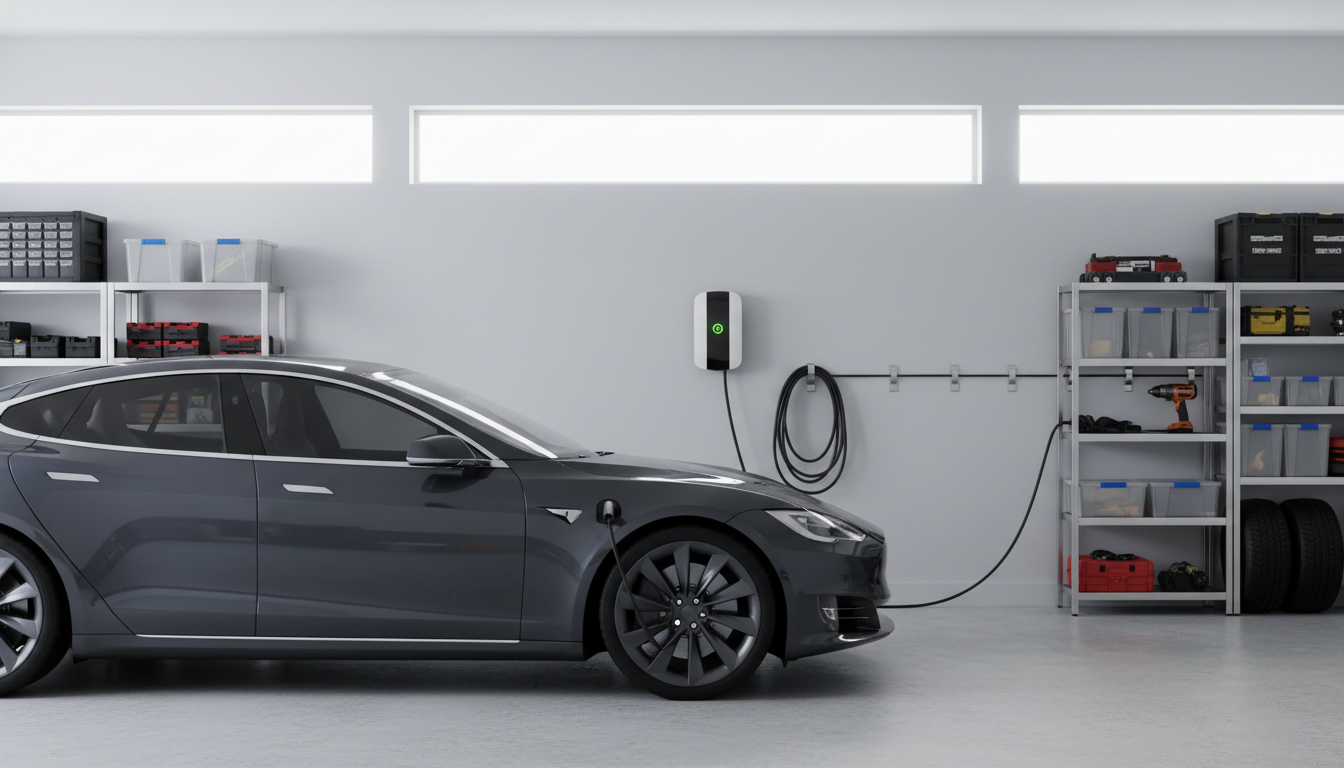
Professional EV charger installation home requires a dedicated 240-volt circuit with 40 to 60 amps of power and a specialized load calculation to confirm your electrical panel capacity. Homeowners should hire a qualified electrician to manage the wiring, permit acquisition, and final inspection to ensure the system is safe and compliant with local codes.
Relying on a standard wall outlet for your new electric vehicle often feels like trying to fill a swimming pool with a garden hose. The frustration of waking up to a half-charged battery can quickly dampen the excitement of going electric. A dedicated home charging station is essential for true convenience; however, it requires more than just mounting a box on the garage wall. Your home electrical system must be prepared to handle the sustained high load safely to prevent overheating or nuisance tripped breakers. In this guide, we will break down the differences between Level 1 and Level 2 chargers, explain the critical 80 percent rule for wire sizing, and help you choose between hardwired and plug-in options. From assessing your electrical panel to understanding local installation costs in Utah, you will gain the expert insight needed to power your transition to electric driving.
Understanding the Benefits of EV Charger Installation at Home
Transitioning to an electric vehicle often begins with a focus on public networks, yet the true utility of an EV is unlocked through an EV charger installation home setup. For residents across Juab County, this is more than a simple convenience; it is a practical necessity. In rural areas like Mona or Levan, public charging infrastructure is significantly less dense than the networks found in Salt Lake City. Relying on public stations often requires detouring from a commute or waiting at a commercial lot, whereas home charging integrates directly into your existing routine.
The financial benefits are stark. Charging at home typically costs about $0.05 per mile, while public chargers often demand a steep premium for the same energy. Utilizing professional electrical services to establish a dedicated home station allows you to fuel your vehicle for a fraction of the cost of gasoline.
Beyond the savings, the primary benefit is the lifestyle shift of waking up to a full battery every morning. You no longer need to plan your day around charging stops or worry about finding an available plug in remote locations. For many residents, this requires verifying that existing infrastructure can handle the increased demand. Some older properties may require electrical panel upgrades to support the equipment safely, but once installed, the convenience of a home station provides a level of freedom that public infrastructure simply cannot match.
Level 1 vs Level 2 Charging: Why Most Homeowners Upgrade
Most electric vehicles include a Level 1 charging cord that plugs into a standard 120-volt household outlet. While this method requires no immediate electrical modifications, it is rarely sufficient for the needs of a modern EV owner. Level 1 charging is exceptionally slow, adding only about three to five miles of range per hour. For a driver in Nephi who commutes to Provo or Salt Lake City, a standard outlet cannot replenish the battery fast enough between workdays. A dedicated Level 2 EV charger installation home setup utilizes a 240-volt circuit, providing a much higher flow of electricity to the vehicle.
Feature | Level 1 Charging | Level 2 Charging |
|---|---|---|
Voltage | 120V (Standard Outlet) | 240V (Dedicated Circuit) |
Range Added Per Hour | 3 to 5 miles | 25 to 60 miles |
Full Charge Time | 40 to 50+ hours | 4 to 10 hours |
Recommended Use | Plug-in Hybrids | Full Battery EVs |
Upgrading to Level 2 is especially critical during Utah winters. Cold temperatures significantly impact battery chemistry, often reducing range and increasing the time required to reach a full charge. A Level 2 station provides the necessary power for pre-conditioning, which allows the vehicle to use grid power to warm the battery and the cabin before you leave. This process preserves your battery's state of charge for the road rather than wasting it on heating the interior. To facilitate this upgrade, homeowners should seek professional electrical services to ensure the new 240-volt circuit is installed safely and meets all local codes.
Electrical Panel Requirements for EV Charger Installation
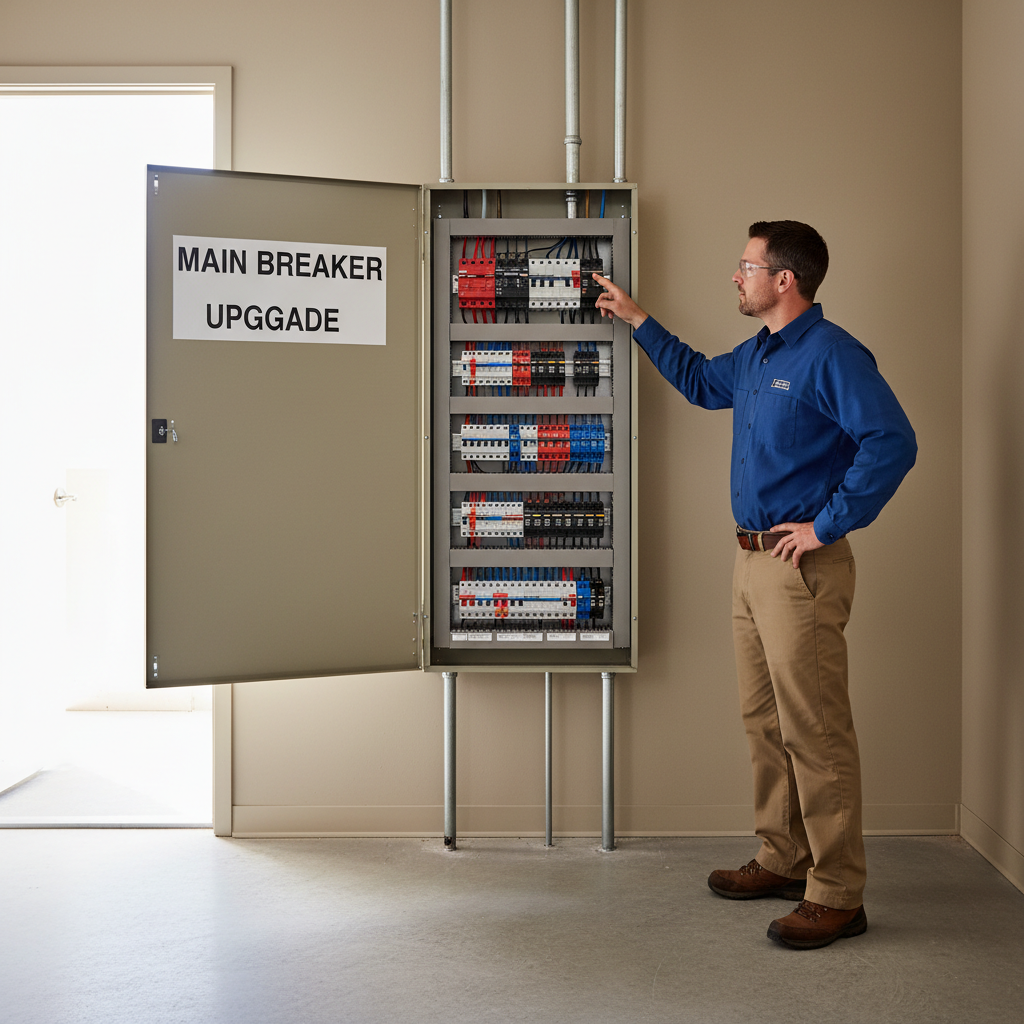
Determining if your home can support the increased load is the most critical step in an EV charger installation home project. A primary question homeowners ask is: what are the electrical panel requirements? The answer starts with a professional load calculation. This process involves evaluating the peak electrical demand of your existing appliances, such as your HVAC system, water heater, and electric range, to determine how much capacity remains for the vehicle.
In Juab County, housing stock varies significantly. Homes in newer developments may already have 200-amp service, which typically provides enough overhead for a Level 2 charger. However, many residents in Nephi or Eureka live in older properties equipped with 100-amp panels. Because a Level 2 charger requires a dedicated 240-volt circuit drawing between 40 and 60 amps, it can consume more than half of a 100-amp panel's total capacity. If the load calculation indicates your home is near its limit, adding a high-draw appliance without modifications could lead to frequent main breaker trips or overheating.
Panel Size | EV Charging Suitability | Common Requirements |
|---|---|---|
100 Amps | Limited / Challenging | Often requires a service upgrade or load management |
125 - 150 Amps | Moderate | May support charging depending on other appliances |
200 Amps | High | Generally supports Level 2 charging with ease |
To address capacity issues, professional electrical services might recommend a sub-panel if you have the amperage but lack physical space; alternatively, full electrical panel upgrades may be necessary to increase total service from the utility. Every installation requires a dedicated circuit. This ensures the charger does not share power with other devices, preventing nuisance tripping and ensuring the electrical system operates within safe thermal limits. If you are unsure of your current capacity, you should contact Juab Electrical for a site assessment to prevent hazardous overloads.
The 80 Percent Rule: Selecting the Right Breaker and Wire Size
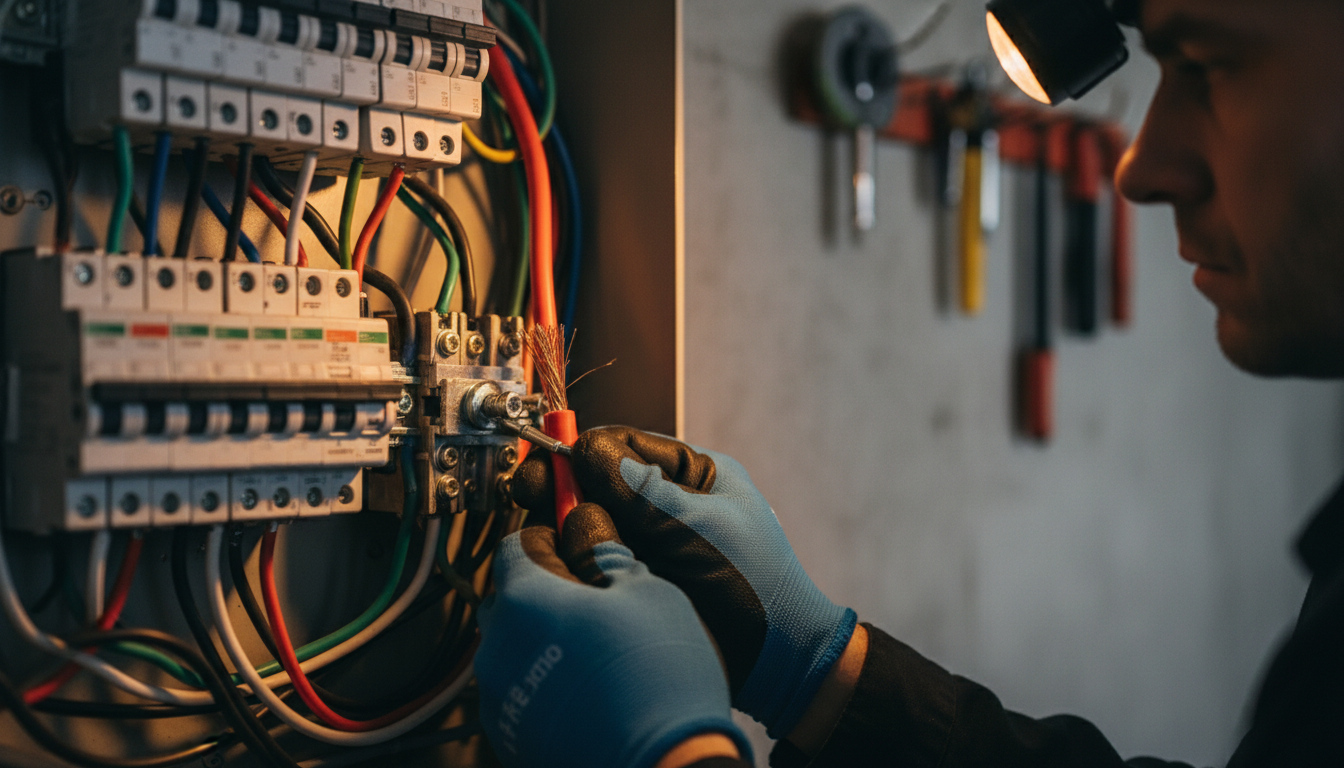
Once you have determined that your panel has sufficient capacity, the installation must adhere to the National Electrical Code (NEC) guidelines for continuous loads. Because an EV charger draws a high amount of power for several hours, it is subject to the 80 percent rule. This means the circuit breaker must be rated for 125 percent of the vehicle’s actual charging amperage to prevent the breaker from overheating and tripping during long sessions.
Selecting the correct breaker and wire size is a matter of technical precision that ensures the safety of your home. A mismatch can lead to melted insulation or electrical fires. At Juab Electrical, we calculate these requirements based on the specific hardware you choose.
Charger Output | Required Breaker Size | Recommended Wire Gauge (Copper) |
|---|---|---|
32 Amps | 40 Amps | 8 AWG |
40 Amps | 50 Amps | 8 AWG or 6 AWG |
48 Amps | 60 Amps | 6 AWG |
For most Level 2 installations in Juab County, we utilize 8 AWG copper wire for 40-amp chargers on shorter runs. However, for 48-amp chargers or installations where the garage is a significant distance from the main panel, we step up to 6 AWG copper. This larger gauge minimizes voltage drop and heat buildup. Our professional electrical services prioritize these technical specifics to ensure your EV charger installation home project remains code-compliant and efficient for years to come.
Hardwired vs NEMA 14-50 Plug: Which is Best for Your Garage?
Choosing how to connect your station to your home’s power supply is a final technical decision for an EV charger installation home project. Most homeowners choose between a NEMA 14-50 outlet and a hardwired connection. A NEMA 14-50 outlet provides the flexibility to unplug the charging unit for repairs or to take it with you if you relocate. However, current electrical codes require these outlets to be protected by a GFCI breaker. This often leads to nuisance tripping, where the vehicle’s internal safety checks conflict with the breaker, resulting in a failed charging session and an empty battery by morning.
For many residents in Juab County, hardwiring the charger is the superior choice for long-term reliability. Hardwired units eliminate the need for a GFCI breaker in most jurisdictions, significantly reducing the risk of interrupted charging. This method also allows for higher charging speeds. While a plug-in model is typically limited to 40 amps of output, a hardwired station can safely handle 48 or 50 amps, providing a faster turnaround for your battery.
Feature | NEMA 14-50 Plug-In | Hardwired Connection |
|---|---|---|
Max Continuous Output | 40 Amps | 48 to 50+ Amps |
Portability | Easy to remove or replace | Permanent installation |
Nuisance Tripping Risk | Higher (due to GFCI requirements) | Low |
Best Environment | Indoor dry garages | Indoor or outdoor |
If you plan to install your charger on the exterior of a home in Nephi or Mona, hardwiring offers better protection against Juab County’s variable weather and temperature swings. Regardless of the connection method, safety codes dictate that the charger must be mounted at least 18 inches above the garage floor to mitigate risks from heavier than air flammable vapors. Utilizing professional electrical services ensures that these mounting heights and connection protocols meet strict NEC standards.
Cost of Home EV Charger Installation in Utah
The total investment for an EV charger installation home project in Utah typically ranges between $1,200 and $3,200. This estimate encompasses both labor and materials, though the final figure depends on several site-specific variables.
Distance is the most common cost driver. A short run from a panel to an adjacent garage wall is significantly less expensive than a complex installation requiring long conduit runs through finished ceilings or crawlspaces. Hardware selection also plays a role, as high-quality, UL-listed chargers vary in price based on smart features and cable length. The most significant variable remains the state of your existing infrastructure; if the project requires electrical panel upgrades to safely handle the 40 to 60 amp demand, the total cost will lean toward the upper end of the range.
Cost Factor | Impact on Pricing | Typical Consideration |
|---|---|---|
Distance from Panel | Moderate to High | Cost increases with linear feet of wire and conduit |
Panel Capacity | High | Older 100-amp panels may require a full service upgrade |
Charger Hardware | Moderate | Smart chargers with WiFi typically cost $500 to $700 |
Permit/Inspection | Low | Required for code compliance and safety verification |
Fortunately, several incentives mitigate the upfront price. The federal Alternative Fuel Vehicle Refueling Property Credit offers a tax credit of 30 percent of the total cost, capped at $1,000 for residents. Homeowners in Juab County should also investigate local utility rebates. Rocky Mountain Power and various local cooperatives occasionally offer incentives or specialized rates for managed charging programs. Seeking professional electrical services ensures you receive an accurate estimate that accounts for these technical requirements and helps maximize available savings.
Why You Need a Professional Electrician for Your EVSE Setup
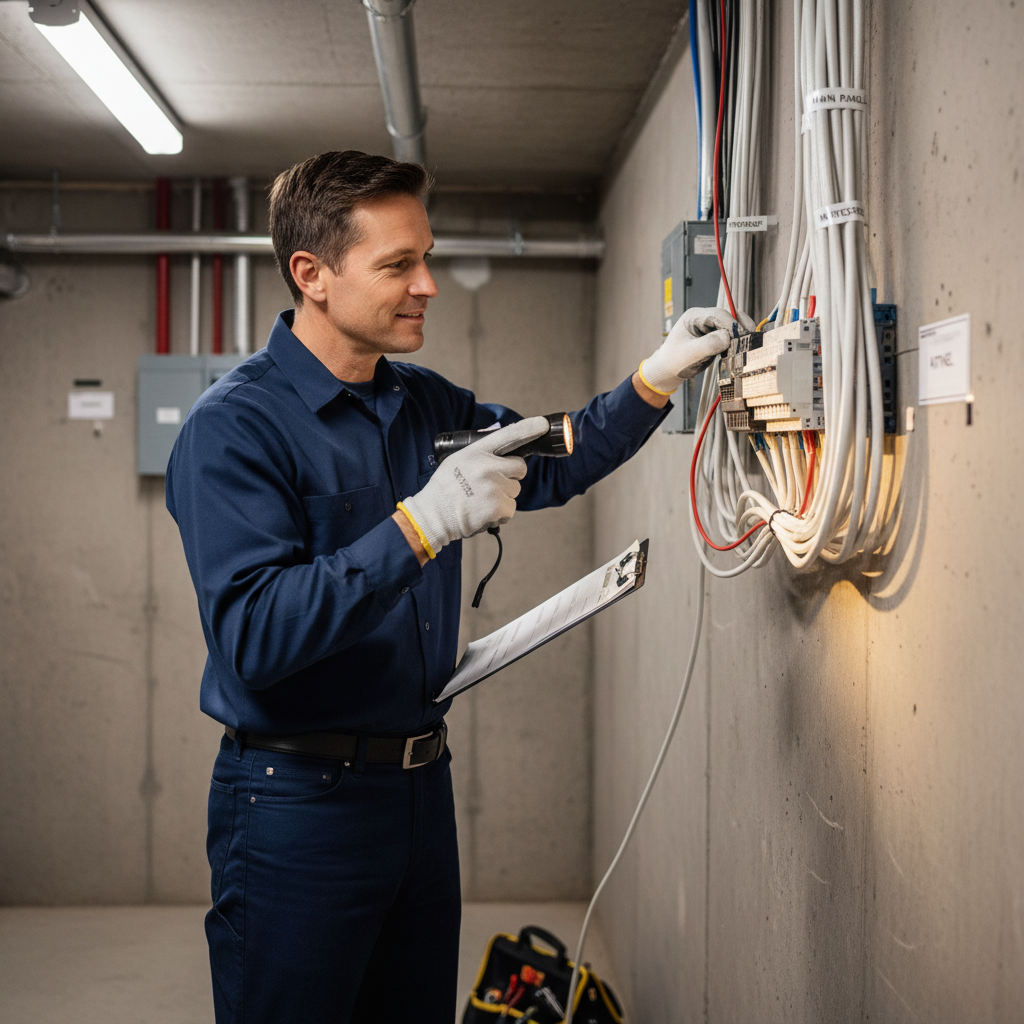
While a general electrician can physically wire a circuit, an EV charger installation home setup requires specific expertise in high-demand energy systems. Homeowners often ask if any residential electrician can handle the job. The technical reality is that the National Electrical Code, specifically Article 625, mandates strict safety protocols for continuous loads that exceed the requirements of standard household appliances. Specialized professional electrical services ensure that the circuit is not just functional but also resilient against the significant heat generated during an eight-hour charging cycle.
Juab Electrical manages the entire technical and administrative process, from initial load calculations to permit acquisition and the final municipal inspection. This thorough approach is often a prerequisite for ensuring your home can handle the load, especially if you have recently completed electrical panel upgrades. Professional oversight is also essential for preserving the manufacturer’s warranty on your charging hardware; improperly installed equipment can lead to denied claims or, in extreme cases, fire hazards due to undersized components. By choosing to contact Juab Electrical, you receive a code-compliant installation that protects your vehicle, your property, and your family.
Transitioning to an electric vehicle is a major step toward a more sustainable and efficient lifestyle. Ensuring your home is ready for the change involves careful planning, from assessing your panel capacity to choosing the right charger for your needs. If you want expert help navigating these technical requirements, our team is here to support you throughout the process. You can learn more about our mission and our commitment to providing safe, reliable electrical solutions for homeowners across Juab County.