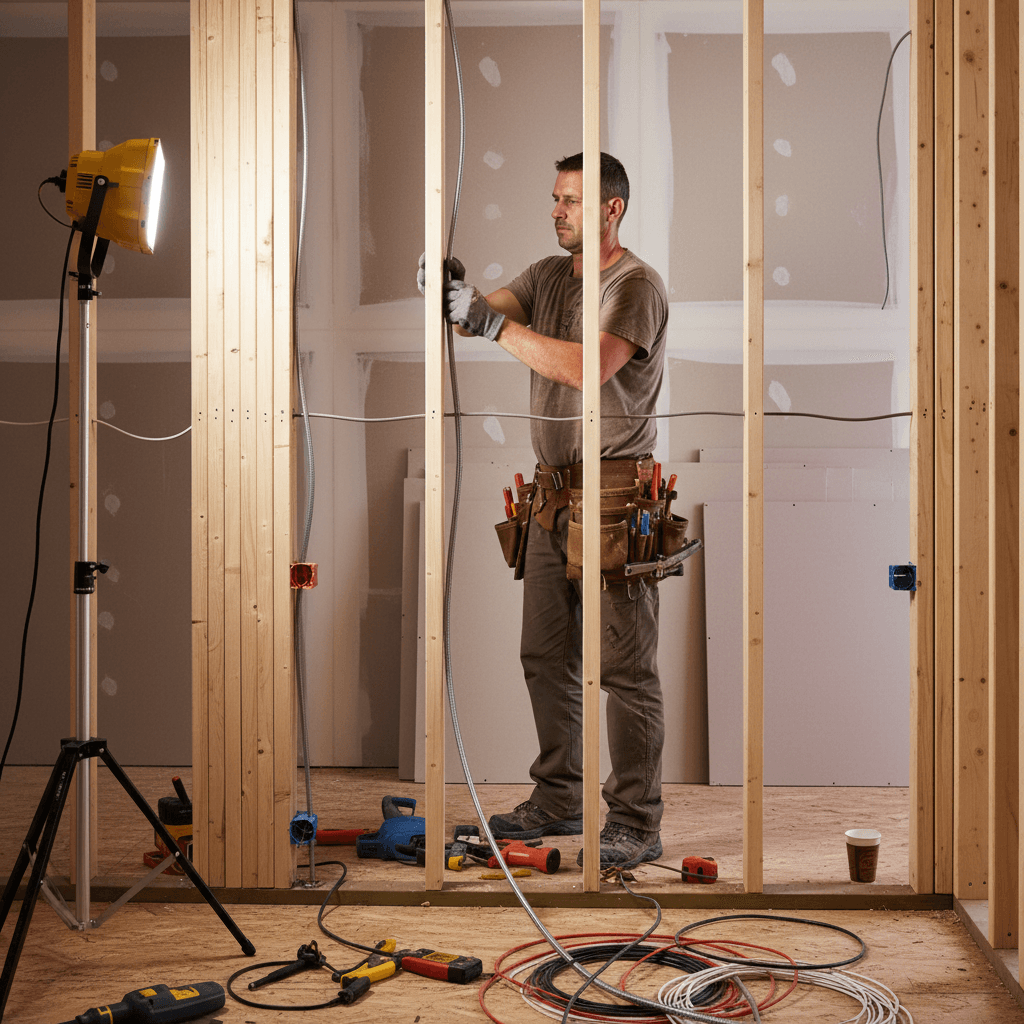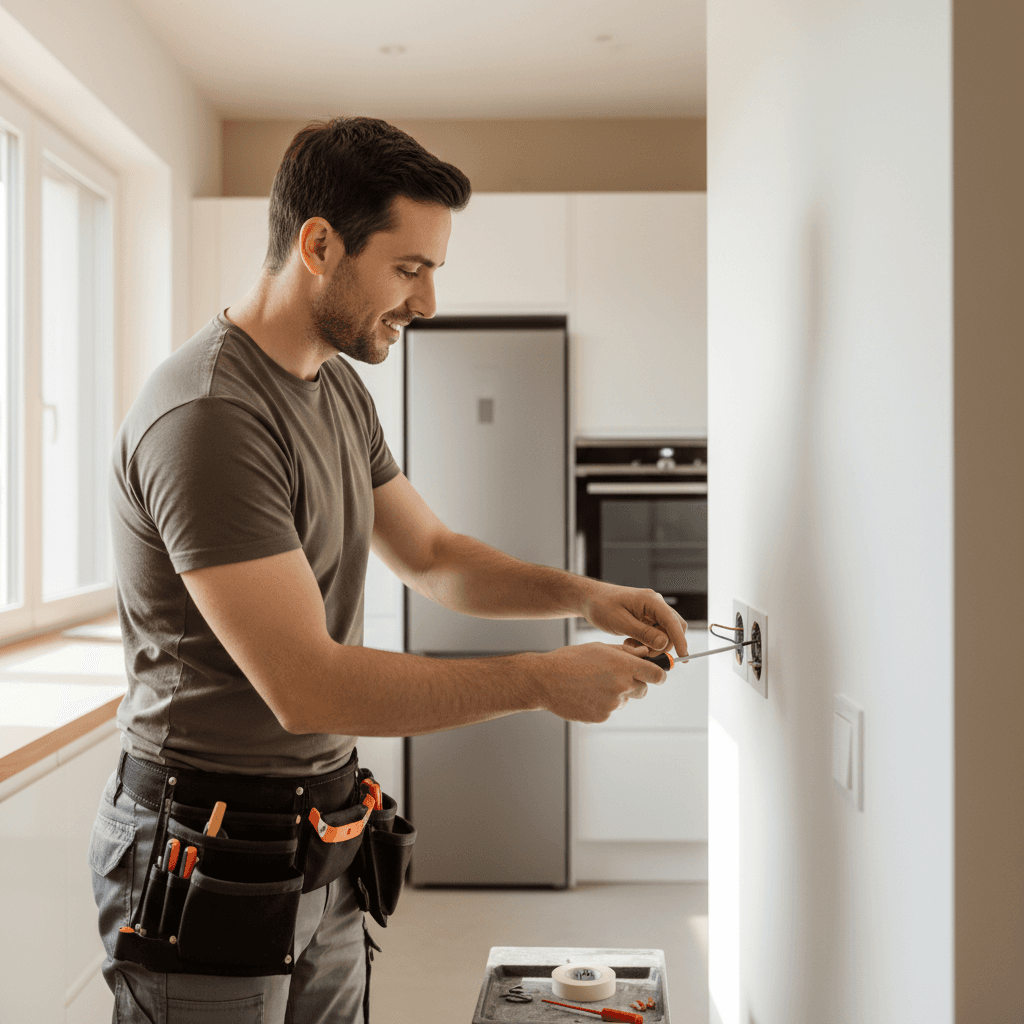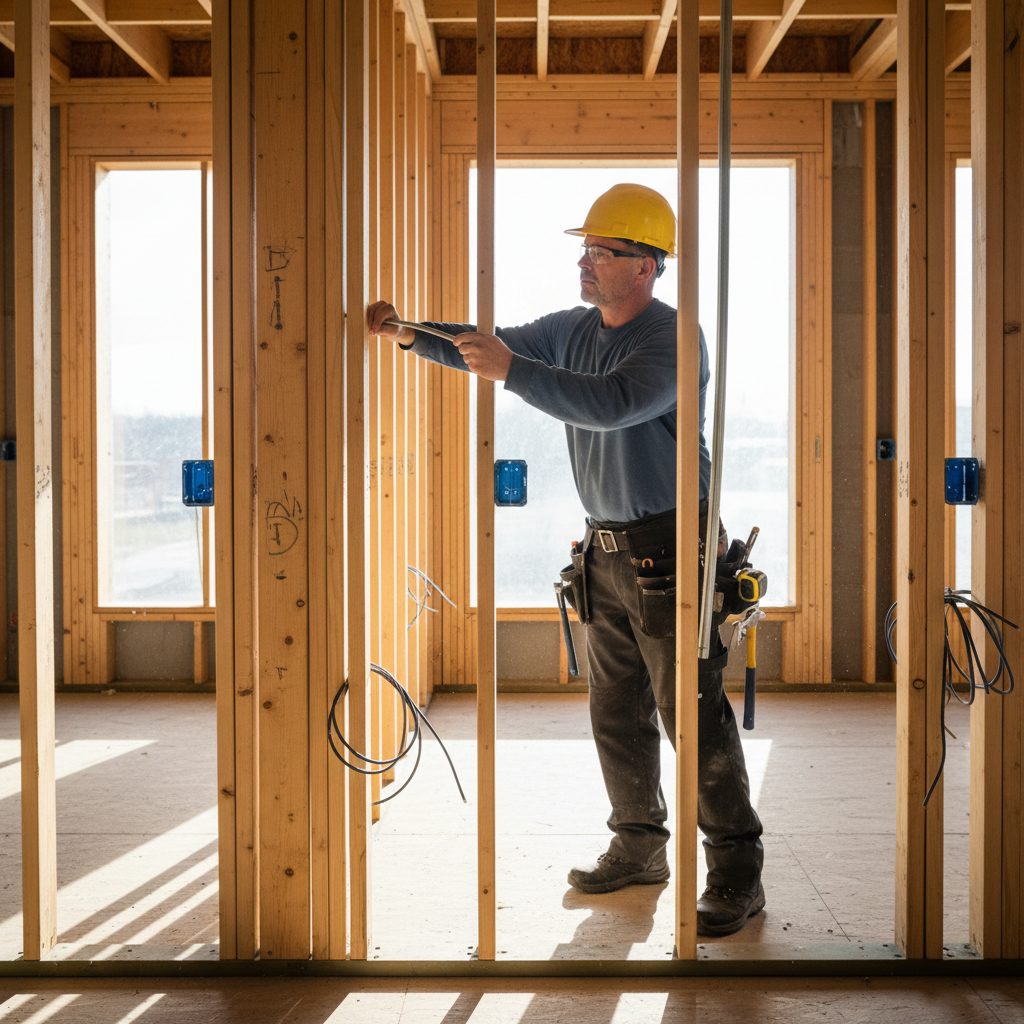
Common signs you need an electrician include frequent circuit breaker trips, flickering lights, and persistent buzzing sounds coming from your walls. You should also contact a professional immediately if you notice burning smells, scorched outlets, or switch plates that feel warm to the touch. These indicators often signal serious wiring issues or overloaded circuits that pose a significant fire risk.
Maintaining a safe and functional home in Juab County means paying close attention to the subtle signals your electrical system sends. Perhaps you have noticed a slight flicker when the air conditioner kicks on, or maybe a specific outlet feels unusually warm to the touch. While these issues might seem like minor inconveniences, they are often the first warnings of underlying circuitry failures that can lead to fire hazards or costly equipment damage. Understanding the difference between a simple quirk and a dangerous defect is essential for every homeowner. In this guide, we will explore five critical signs that demand professional attention; including the implications of the 80 percent rule for circuit breakers and the hidden risks of outdated two prong outlets. By recognizing these red flags early, you can protect your property and ensure your electrical infrastructure meets modern safety standards.
Recognizing Electrical Hazards in Juab County Homes
Maintaining a safe home in Central Utah requires an understanding of how our unique environment affects infrastructure. Juab County homeowners face specific challenges due to our high desert climate. The combination of extremely dry air and seasonal temperature swings, from sub-zero winters to blistering summers, causes electrical components to expand and contract repeatedly. Over time, this mechanical stress degrades wire insulation and loosens terminal connections, creating invisible fire hazards.
While a flickering bulb or a warm switch plate might seem like a minor house quirk, these are often early signs you need an electrician to evaluate your system. These symptoms typically point to deeper issues like degraded insulation or overloaded circuits that require professional electrical services to diagnose correctly. Attempting to fix these problems yourself is risky. DIY electrical work in Utah frequently results in serious code violations that can complicate future home sales or, worse, lead to catastrophic electrical fires. Investing in safe, code compliant solutions ensures that your property remains protected against the environmental stressors common in our region. Professional oversight is the only way to confirm that your wiring can handle the heavy loads required for modern climate control and appliances.
1. Flickering or Dimming Lights During Appliance Use
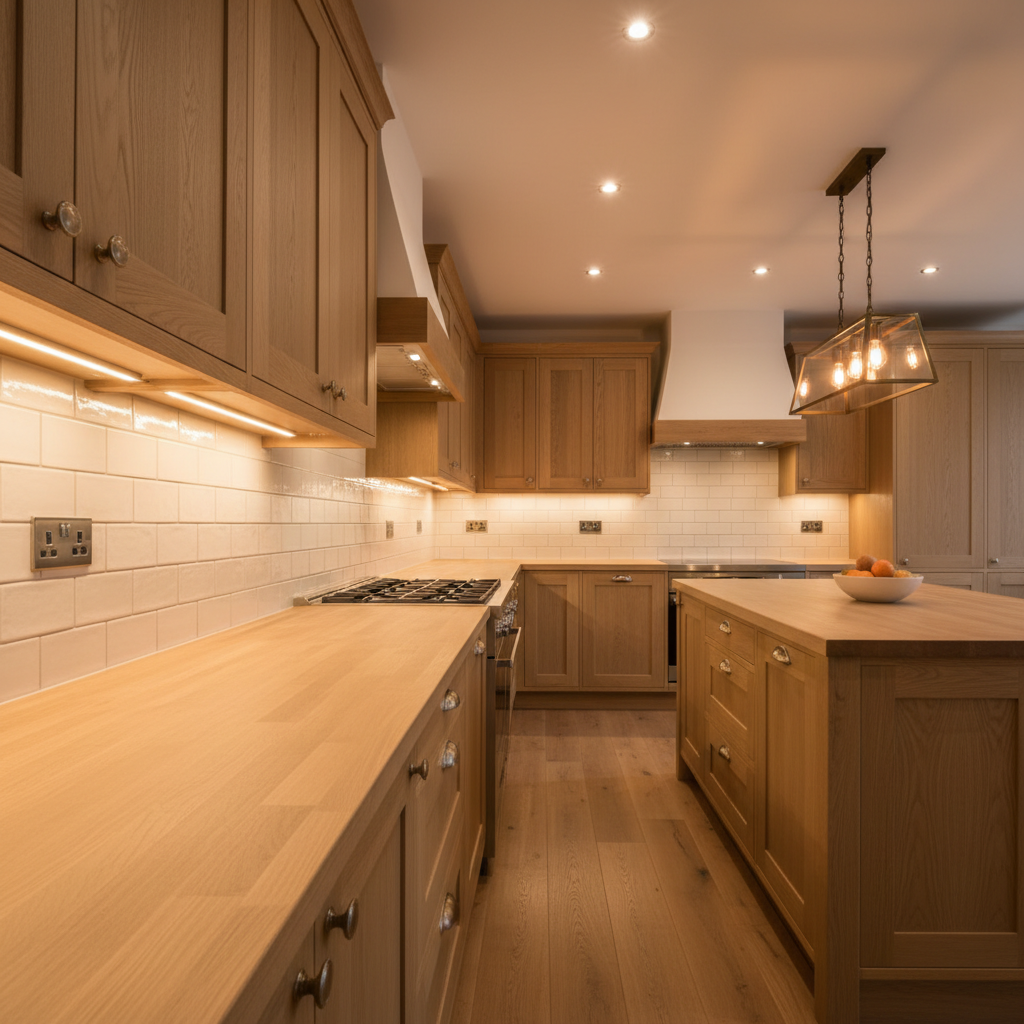
A common symptom of electrical strain is the momentary dimming or flickering of lights when a large appliance, such as an air conditioner or a space heater, cycles on. This phenomenon is typically caused by a voltage drop. When a high-draw motor starts up, it requires a significant surge of current. If the circuit is already heavily loaded or the incoming service is insufficient, the voltage available to your lighting drops momentarily, causing the bulbs to dim.
It is important to distinguish between a localized fixture issue and a systemic problem. If only one lamp flickers, the problem is likely a loose bulb or a failing socket. However, if multiple lights across a room or the entire house dim simultaneously, it is one of the clear signs you need an electrician. In established neighborhoods within Nephi or Eureka, many homes still operate on 60-amp or 100-amp service. These aging systems were never designed to handle the simultaneous demands of modern appliances, high-powered vacuums, and climate control systems.
Pay close attention to the frequency and consistency of these events. If the lights dim every single time the microwave runs or when the refrigerator compressor kicks in, the circuit is likely overloaded. This persistent stress can lead to heat buildup within the walls, which compromises the integrity of your wiring. Identifying these patterns early allows us to provide safe, code compliant solutions, such as installing dedicated circuits for high-draw appliances. Addressing these issues through professional electrical services prevents the long-term damage that occurs when an outdated system is pushed beyond its intended capacity.
2. Circuit Breakers That Trip Frequently and the 80 Percent Rule
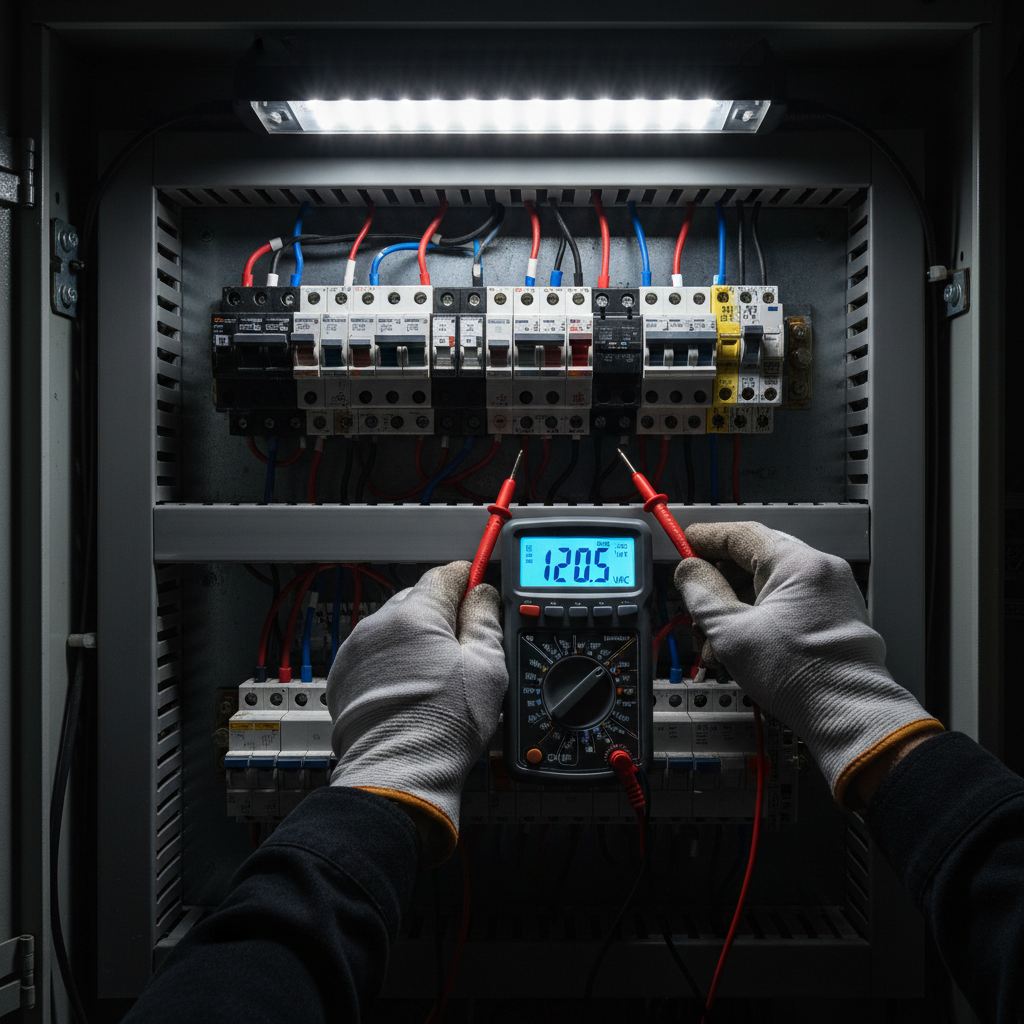
Frequent circuit breaker trips are often dismissed as a nuisance, but they are actually a critical safety mechanism performing exactly as designed. A breaker trips when the electrical demand on a circuit exceeds its rated capacity, effectively cutting power before the copper wires can overheat and ignite nearby building materials. Understanding the 80 percent rule is essential for managing your home's power safely. According to the National Electrical Code, a circuit should not be loaded beyond 80 percent of its maximum capacity for any continuous load, which is defined as a load that runs for three hours or more.
For example, a standard 20-amp circuit has a maximum capacity of 2,400 watts, but for safety and longevity, it should only be subjected to 1,920 watts (16 amps) during sustained use. In a typical kitchen, running a microwave and a high-wattage toaster simultaneously on the same circuit can push the system right to the edge or over it. If you add a refrigerator compressor cycling on at that same moment, the breaker will trip to prevent the wiring from reaching dangerous temperatures.
If your breakers trip regularly, it is one of the most prominent signs you need an electrician to evaluate your service panel. Persistent tripping indicates that your household's power demands have outgrown the original wiring design. This is particularly common in older homes where the original electrical footprint did not account for the sheer number of modern electronics and high-draw appliances we use today. Continually resetting a breaker without addressing the underlying load issue can wear out the breaker itself, eventually leading to mechanical failure. To ensure your home remains protected, it is often necessary to implement safe, code compliant solutions such as a panel upgrade or the installation of dedicated circuits. Utilizing professional electrical services allows for a proper load calculation to determine if your current infrastructure can safely support your daily power usage.
3. Discolored Outlets or Persistent Burning Smells

While a tripped breaker is a loud warning, some of the most dangerous electrical threats are silent and scent-based. If you notice a persistent smell of burning plastic or a sharp, metallic odor similar to ozone near an outlet or switch, you must act immediately. This scent often indicates that wire insulation is melting or that a component is failing due to excessive heat.
Visually, you should inspect your walls for discolored or scorched plastic. Brown or black marks around the plug slots are clear indicators of arcing. Arcing occurs when electricity is forced to jump across a gap between loose connections or damaged wires. This creates intense localized heat that can ignite surrounding materials. If an outlet cover feels warm to the touch, the internal connection is likely already compromised and presents a high fire risk.
In the arid climate of Central Utah, these hazards are amplified. The dry air in Juab County allows fine dust to accumulate within wall cavities and old electrical boxes. When arcing occurs in a dusty environment, the accumulated debris can act as kindling, turning a small electrical fault into a structure fire rapidly. These symptoms represent a critical emergency and are among the most urgent signs you need an electrician.
If you detect heat, discoloration, or burning smells, turn off the power at the main breaker and contact Juab Electrical right away. We provide safe, code compliant solutions to identify the source of the heat and replace damaged infrastructure before it leads to property loss. Utilizing professional electrical services is the only way to ensure the circuit is no longer a threat to your family or business.
4. Buzzing Sounds and Electrical Shocks
Audible humming or buzzing coming from your walls or electrical panel is a specific symptom of mechanical vibration caused by loose connections or a failing breaker. When current struggles to pass through a high-resistance point, it can create a rapid vibration often referred to as wire hum. This is a clear indicator that your system is working harder than it should, potentially leading to significant heat damage over time. Similarly, if you experience a mild tingle or shock when touching a switch plate or a metal appliance, your electrical system likely has a grounding fault. Electricity always seeks the path of least resistance to the ground; if a wire is loose or insulation is frayed, that path might be through your body.
You may have heard that professional electricians sometimes work with one hand in their pocket. This is a traditional safety technique used to prevent electricity from traveling across the chest and through the heart if an accidental shock occurs. However, homeowners should never attempt to diagnose or test live circuits themselves. These sensations are serious signs you need an electrician to perform a comprehensive diagnostic of your home’s grounding and bonding. Ignoring these warnings can lead to more severe shocks or localized fires. If your home is talking to you through these sounds or physical shocks, you should contact Juab Electrical to implement safe, code compliant solutions and restore the integrity of your electrical system through professional electrical services.
5. Outdated Infrastructure: Two Prong Outlets and Aluminum Wiring
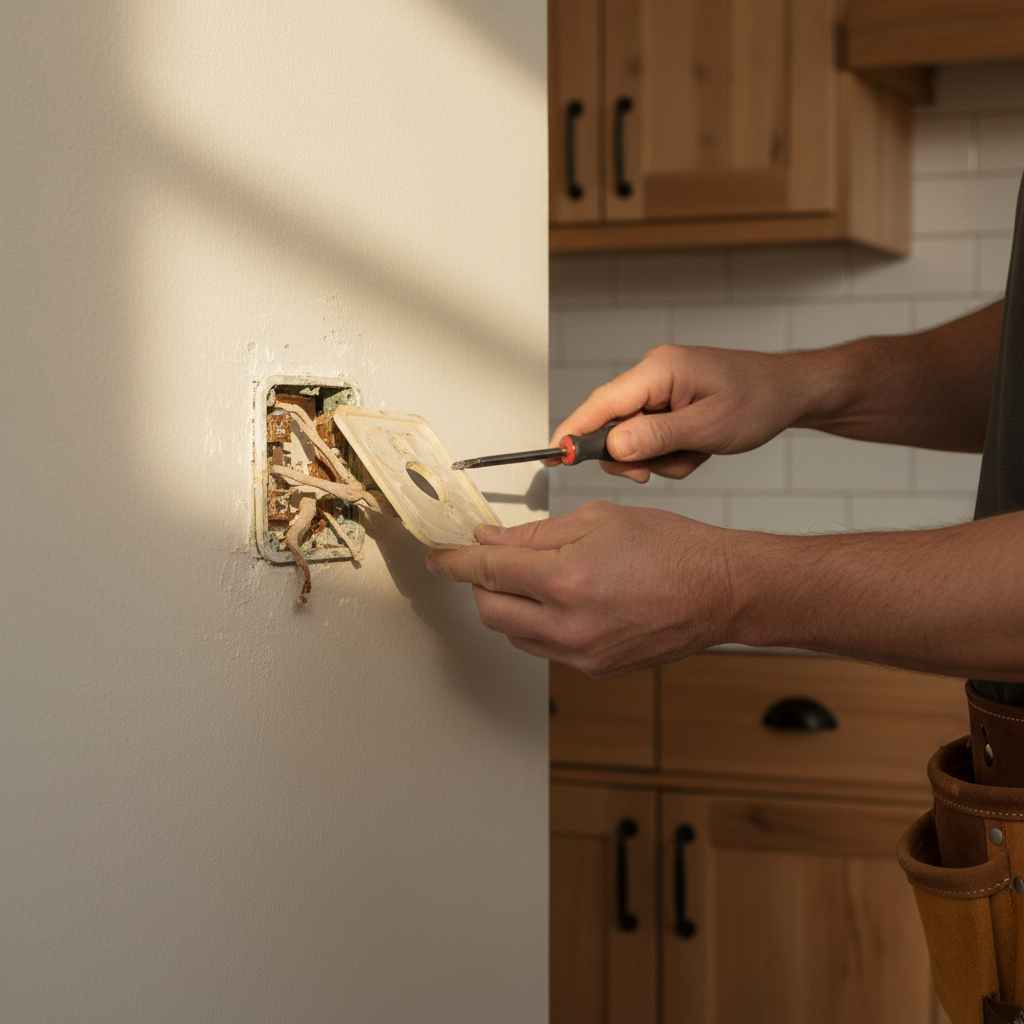
Identifying outdated infrastructure is often the most reliable way to tell if a house has updated electrical or if it is relying on aging, potentially hazardous components. In many established neighborhoods throughout Juab County, homes constructed between the mid-1960s and the early 1970s may still contain original aluminum branch circuit wiring. While aluminum is an effective conductor and is still used today for large service entrance cables, its use in standard wall outlets and switches during that era created long term safety issues.
Aluminum possesses a higher coefficient of thermal expansion than copper, meaning it expands and contracts significantly more when electricity flows through it. This constant movement, often described as the wire "breathing," eventually causes connections at terminals to loosen. In the low-humidity environment of Central Utah, this problem is compounded by rapid oxidation. Loose, oxidized connections create high electrical resistance, which generates intense heat without necessarily tripping a breaker. If you see "AL" or "Aluminum" printed on the plastic jacket of cables in your attic or crawlspace, these are definitive signs you need an electrician to inspect the integrity of your terminations.
Another visible indicator of an outdated system is the presence of two-prong outlets. These outlets signify an ungrounded system, which lacks the third wire designed to carry stray current safely to the ground. Using three-prong adapters to bypass this safety feature puts your sensitive electronics and your family at risk during a fault. Modern code requires grounded circuits to protect against shocks and to ensure the proper operation of surge protectors.
Upgrading these systems requires professional electrical services to ensure the transition from old materials to modern standards is handled correctly. Whether through specialized remediation or a full system upgrade, implementing safe, code compliant solutions is the only way to mitigate the fire risks associated with 1960s era infrastructure.
Common Electrical Safety Questions for Utah Homeowners
Understanding the technical side of your home wiring can help you prioritize necessary repairs and safety upgrades. Below are some of the most frequent questions we receive from homeowners regarding electrical standards in Juab County.
### What is the average cost to upgrade a residential electrical panel? In Central Utah, most residential panel upgrades range between $2,000 and $4,500. The final cost depends heavily on the required amperage and the complexity of the installation. A standard 100-amp to 200-amp service upgrade is common for modernizing homes, but if your existing meter base is outdated or the service entrance cables must be replaced to meet current utility standards, costs will shift toward the higher end. Identifying that your current panel is maxed out or physically deteriorating are primary signs you need an electrician to perform a load calculation and upgrade.
Service Type | Typical Cost Range |
|---|---|
Standard Panel Upgrade (200 Amp) | $2,000 - $3,500 |
Full Service Replacement (Includes Meter) | $3,500 - $5,000+ |
Dedicated Circuit Installation | $250 - $600 |
Aluminum Wire Remediation (Per Room) | $400 - $800 |
### What is the 120 percent rule? This rule specifically applies to solar PV (photovoltaic) interconnections. The National Electrical Code (NEC) stipulates that the sum of the main breaker and the solar breaker cannot exceed 120 percent of the busbar's total rating. For example, in a 200-amp panel, 120 percent of the capacity is 240 amps. If your main breaker is 200 amps, you are generally limited to 40 amps of solar input. Exceeding this limit can cause the busbar to overheat, creating a significant fire hazard.
### Do you have to be an electrician to do electrical work in Utah? While Utah law allows homeowners to perform electrical work on their own primary residence, you are still required to obtain the necessary permits and pass inspections from local building authorities in Nephi or surrounding municipalities. However, for any work involving the main service panel, high-voltage circuits, or complex system diagnostics, it is highly recommended to seek professional electrical services. Licensed contractors provide safe, code compliant solutions that protect your property value and ensure insurance coverage remains valid. If you are unsure of the safety requirements for a project, contact Juab Electrical to ensure the work is performed to the highest professional standards.
Your home's electrical system is its lifeline, and recognizing these critical warning signs early can prevent serious hazards like fires or equipment damage. While basic maintenance is helpful, many wiring issues require a specialized eye to resolve safely. If you want expert help ensuring your house remains secure and up to code, feel free to browse our full list of electrical services to find the right solution. Our team is always ready to help you maintain a safe, functional living environment for your family.