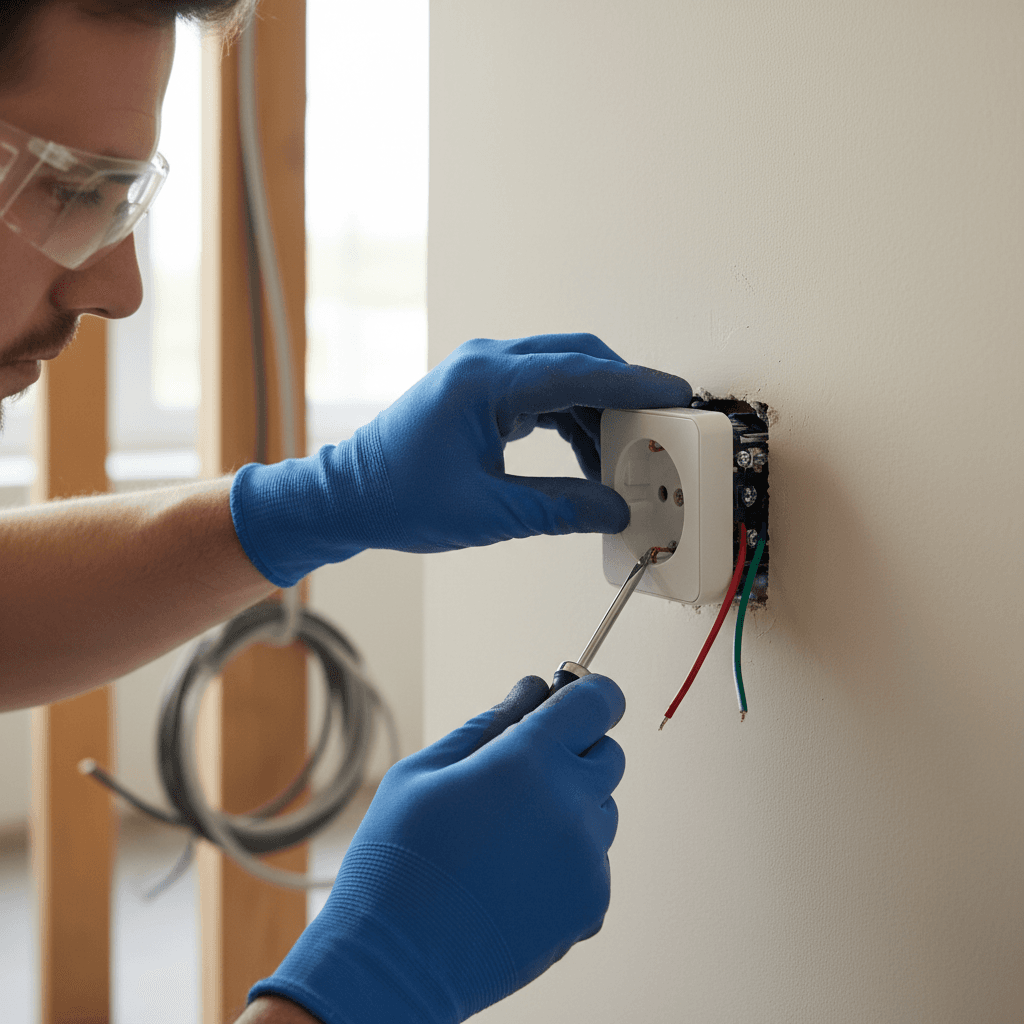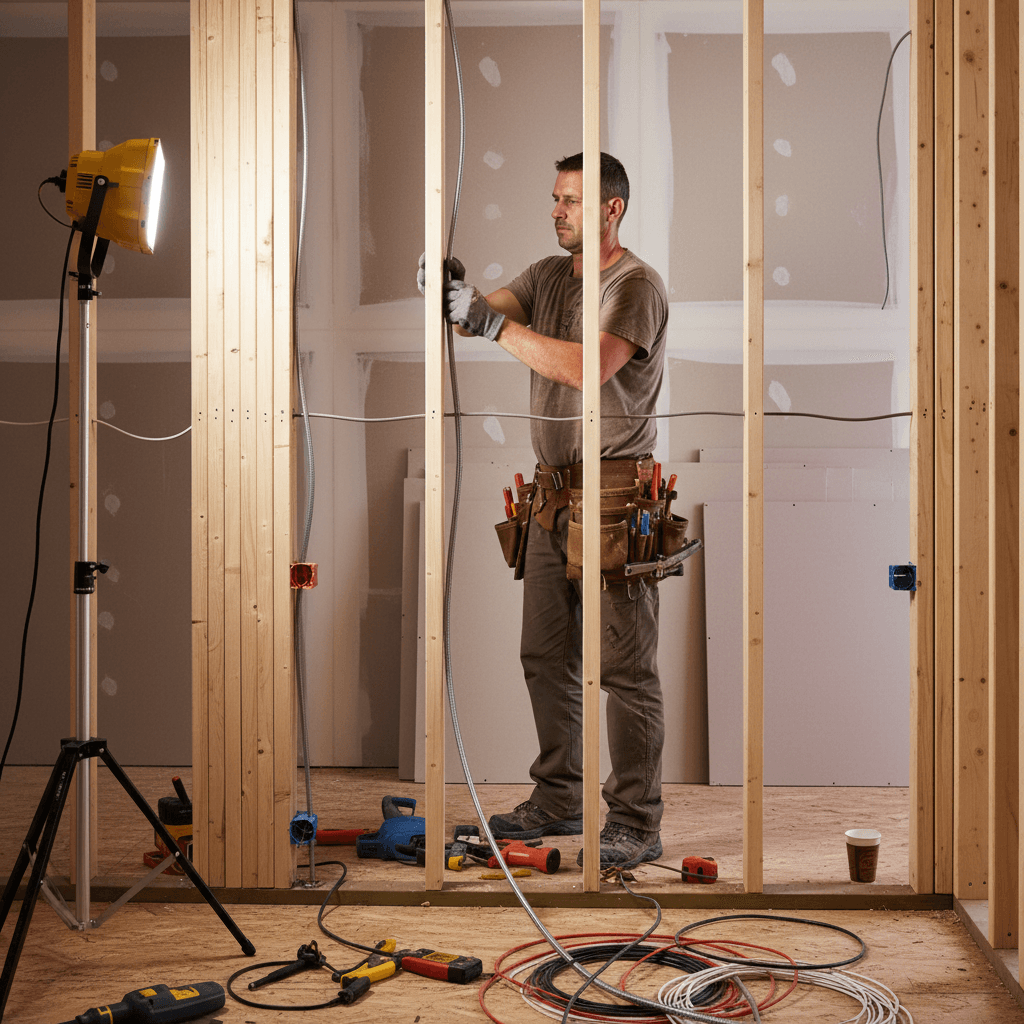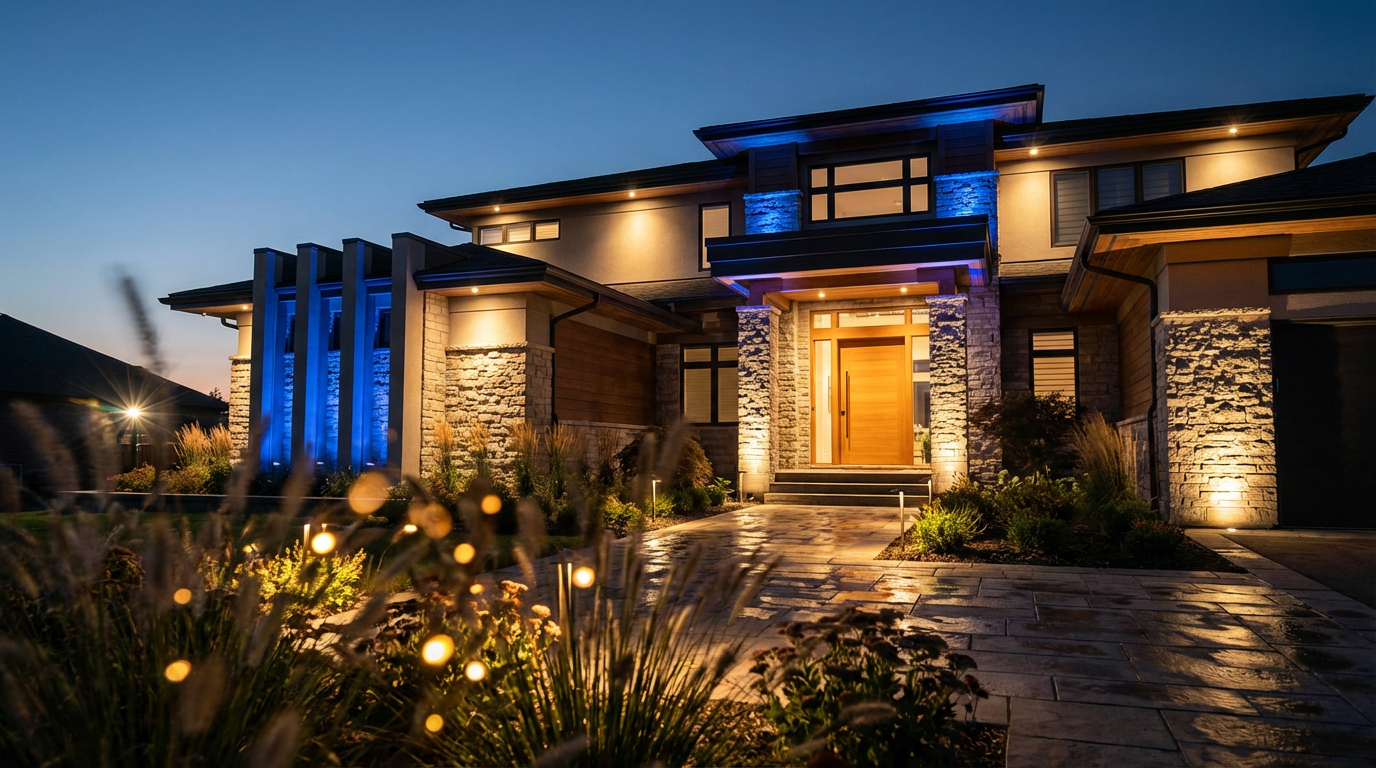
Professional outdoor lighting installation Juab County typically costs between $2,000 and $6,000, with basic pathway projects starting around $1,500. Homeowners usually pay $100 to $200 per fixture for professional setup of low voltage or permanent holiday lighting systems. These services prioritize electrical safety and property aesthetics to maximize the value and security of your outdoor space.
Coming home to a dark property in Juab County often feels unsettling, especially when poor visibility makes navigating your own driveway or patio a safety hazard. Many homeowners struggle with dim exteriors that hide the beauty of their landscape and fail to provide the security needed for true peace of mind. Investing in professional outdoor lighting is more than a simple aesthetic upgrade; it is a critical step in protecting your property and enhancing its nighttime functionality. In this guide, we will break down the essential components of a successful lighting project. You will discover current trends in Utah landscape design, a detailed cost analysis for 2026, and the technical differences between low voltage and line voltage systems. We also explain why hiring a licensed electrician ensures your installation remains durable and compliant with local safety standards.
Professional Outdoor Lighting Solutions in Juab County
Juab County offers a unique blend of architectural styles, from the stately historic properties in Nephi to the expansive new constructions in Mona. While a well-designed outdoor lighting installation Juab County enhances a home's curb appeal, its primary value often lies in functionality. Professionally placed fixtures turn dark walkways into safe passages and transform obscured corners into secure, visible perimeters.
At Juab Electrical, our approach to lighting is rooted in a deep understanding of local property layouts. Rural acreage requires a different technical strategy than a compact residential lot. We provide reliable electrical services that account for these nuances, ensuring every fixture serves a purpose, from navigating uneven terrain to deterring intruders. Our licensed electricians in Juab County prioritize safety by adhering strictly to Utah’s building codes and technical standards.
This guide provides a comprehensive look at the outdoor lighting landscape for 2026. We will break down current market costs, ranging from basic $1,500 pathway packages to $8,000 full-property designs. You will also learn about the technical distinctions between low voltage and line voltage systems, the latest trends in permanent holiday lighting, and the environmental considerations necessary for our high-desert climate. If you are ready to enhance your property, contact us for a lighting consultation to discuss a tailored plan.
Types of Outdoor and Landscape Lighting for Utah Homes
Selecting the right fixtures involves more than picking a style; it requires hardware that can withstand the specific environmental demands of central Utah. Juab County homeowners must account for high canyon winds and significant snow accumulation that can easily damage inferior, big-box store products. Our licensed electricians in Juab County prioritize high-quality materials, such as solid brass or aircraft-grade aluminum, to ensure longevity.
### 1. Architectural and Accent Lighting This category focuses on highlighting the unique structural elements of your home, such as the historic brickwork found in Nephi or the modern gables of Mona new builds. We use directional spot lights and well lights to create depth and shadow. For these installations, we recommend fixtures with heavy-duty seals to prevent moisture ingress during the spring thaw. Uplighting trees or architectural pillars provides a sophisticated look while subtly increasing ambient light around the structure.
### 2. Path and Area Lighting In rural areas where street lighting is sparse, path lighting is a technical necessity for safety. We install low-profile bollards and path lights to illuminate walkways, driveways, and stairs. These fixtures must be strategically placed to remain visible above typical snow levels without becoming trip hazards. Using LED technology with warm color temperatures provides visibility without creating harsh glares that disrupt the natural rural night.
### 3. Security Lighting Security lighting serves as a functional deterrent for properties with large perimeters, barns, or detached workshops. We often install high-output, motion-activated LED floodlights that provide immediate illumination when movement is detected. For Juab properties, we ensure these systems are integrated into reliable electrical services that can handle the higher draw of line-voltage security fixtures while maintaining energy efficiency through dusk-to-dawn sensors.
### 4. Permanent Holiday Lighting A growing trend across the Wasatch Front is the installation of permanent, programmable trim lights. Systems like Trimlight or similar professional-grade RGB pixels are installed in a color-matched channel along the roofline. Unlike temporary strands, these are rated for year-round exposure and can withstand 80-mph wind gusts without shifting. They offer versatility for every holiday and provide secondary accent lighting for the rest of the year.
Lighting Type | Primary Benefit | Recommended Fixture Material |
|---|---|---|
Architectural | Aesthetic Appeal | Die-cast Brass |
Path/Area | Pedestrian Safety | Copper or Powder-coated Aluminum |
Security | Intrusion Deterrence | Impact-resistant Polycarbonate/Alloy |
Permanent Holiday | Convenience/Versatility | UV-stabilized Aluminum Track |
If you are unsure which system fits your property layout, you can contact us for a lighting consultation to evaluate your specific needs.
Outdoor Lighting Installation Cost Breakdown for 2026
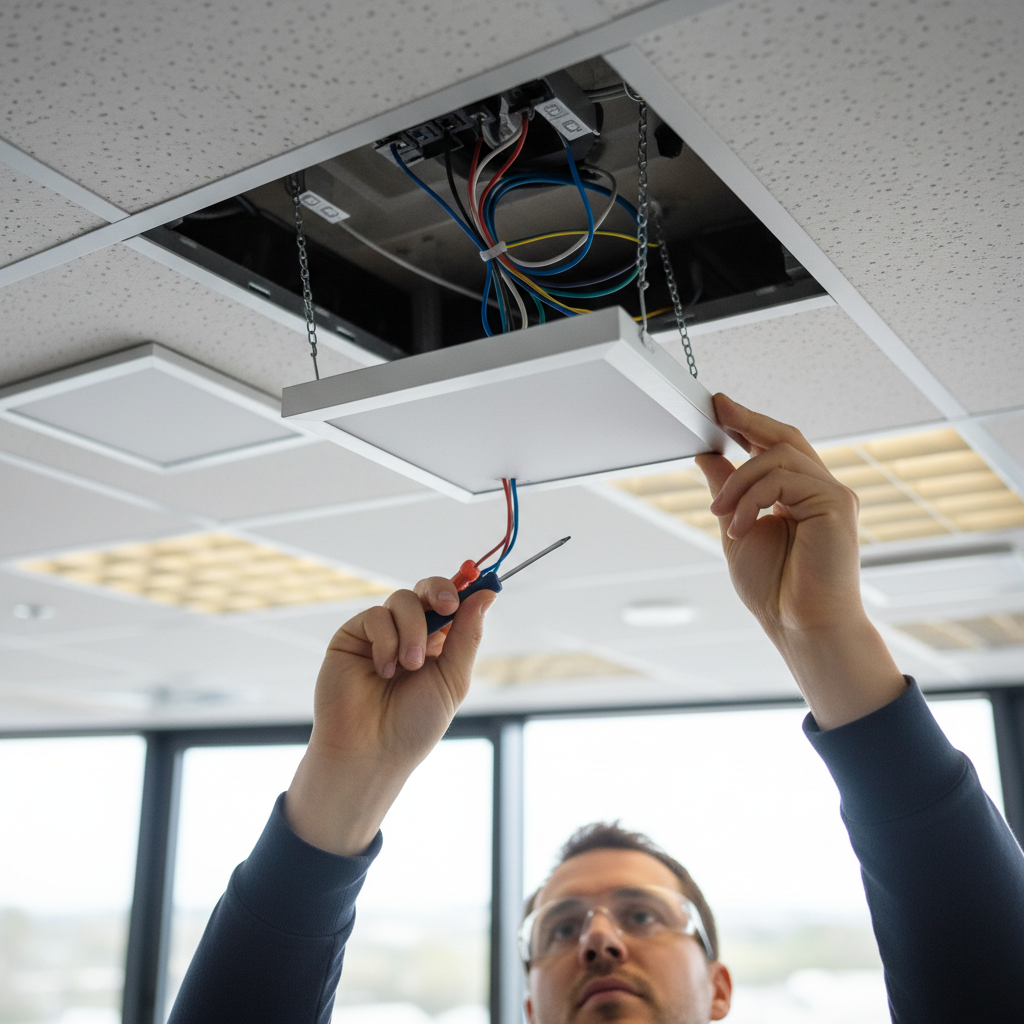
Project budgets for 2026 reflect both the rising cost of durable materials and the technical labor required for code-compliant installation in central Utah. For a professional outdoor lighting installation Juab County homeowners typically spend between $100 and $207 per fixture. This range includes the fixture itself, the necessary wiring, and the precise placement provided by licensed electricians in Juab County.
A basic pathway package, which usually includes 8 to 12 fixtures to illuminate a front walk and entry, starts around $1,500. Comprehensive property designs that incorporate architectural uplighting, security floodlights, and garden accents generally range from $4,000 to $8,000. Larger estates or rural properties with extensive perimeter needs can reach $15,000 or more, depending on the scale of the lighting plan.
Installation Tier | Description | Estimated Investment |
|---|---|---|
Basic Pathway | 8 to 12 low voltage fixtures for front walk | $1,500 – $2,500 |
Full Residential | Front and back architectural and path lighting | $4,000 – $8,000 |
Estate and Security | Perimeter, barns, and multi-zone lighting | $8,000 – $15,000+ |
Several technical factors influence the final quote for reliable electrical services. The complexity of the transformer is a primary driver; high-wattage units with multi-tap capabilities are necessary for large properties to prevent voltage drop over long wire runs. Trenching requirements also vary significantly based on location. In areas like Eureka or Levan, rocky soil conditions can increase the time required to bury lines at the appropriate depth to protect them from weather and yard maintenance.
System choice also impacts the bottom line. While low voltage systems are often more cost-effective for landscaping, line voltage for high-output security requires deeper-buried conduit and more intensive labor. Viewing these costs as an investment is practical; high-quality lighting increases curb appeal, security, and overall property value in the Utah market. If you are planning a renovation, contact us for a lighting consultation to receive a detailed estimate tailored to your property layout.
Low Voltage vs Line Voltage: Which is Best for Your Property?
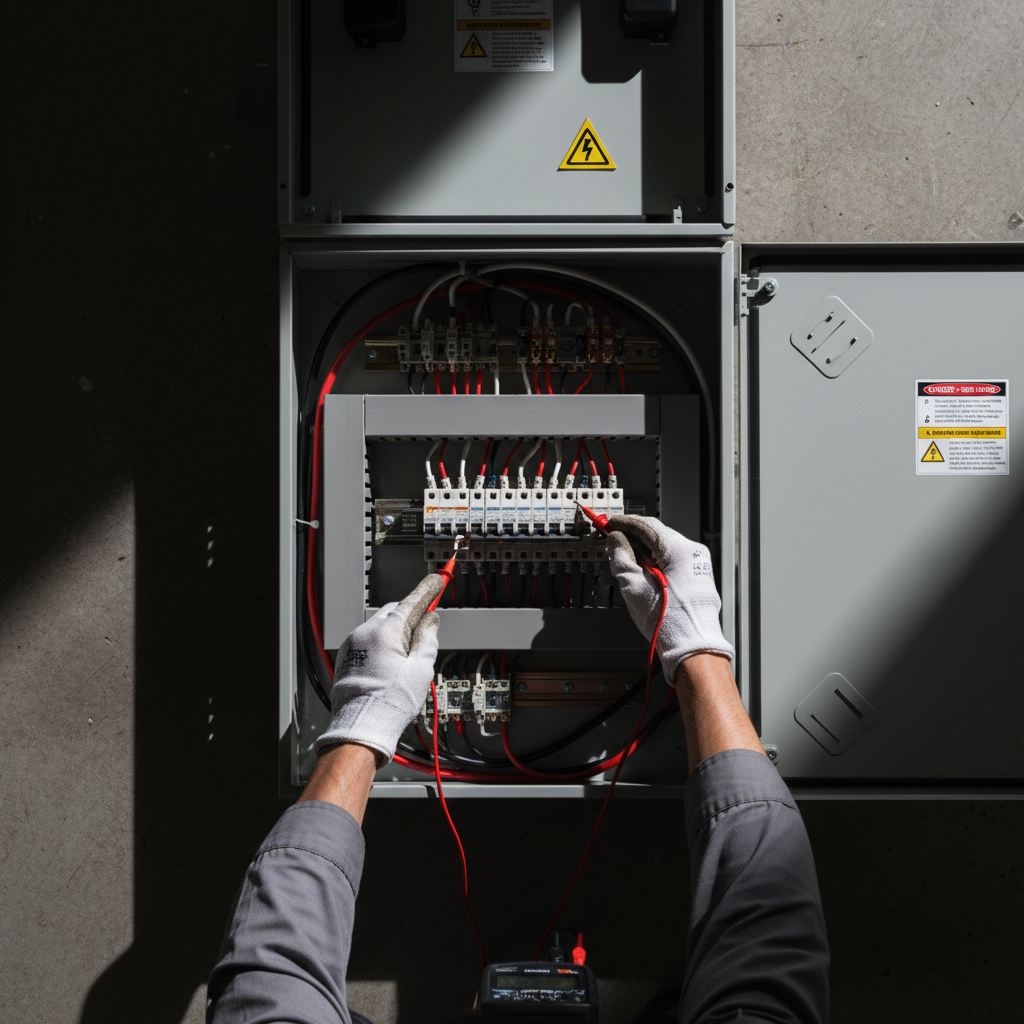
Understanding the technical difference between 12V (low voltage) and 120V (line voltage) is a critical step in planning an outdoor lighting installation Juab County homeowners can rely on for years. Low voltage systems are the standard for residential landscapes because they utilize a transformer to step down standard household power to a safer 12-volt current. This system is highly energy efficient and offers significant flexibility. If you decide to adjust your landscaping or add new plantings in the future, relocating a low voltage fixture is a straightforward process that does not require major trenching.
In contrast, line voltage systems operate at a full 120 volts, the same power used by your home’s interior outlets. These systems are necessary for high-output applications, such as powerful security floodlights for industrial yards or illumination for expansive agricultural barns in rural parts of the county. Because line voltage carries a higher risk of shock and fire, the National Electrical Code (NEC) mandates specific installation methods. This includes burying rigid or PVC conduit at specific depths, often 18 inches or more, to protect the wiring from accidental contact or damage.
Feature | Low Voltage (12V) | Line Voltage (120V) |
|---|---|---|
Primary Use | Residential landscape and paths | High-output security and commercial |
Safety Level | High; minimal shock risk | Requires strict conduit protection |
Installation | Flexible; shallow wire burial | Rigid; deep-buried conduit required |
Energy Efficiency | High; optimized for LED | Moderate; best for large areas |
Choosing the wrong system can lead to technical failures or code violations that complicate future property sales. Line voltage projects absolutely require licensed electricians in Juab County to manage the specialized equipment and safety protocols involved with high-power circuits. At Juab Electrical, we provide reliable electrical services to ensure your transformer is sized correctly for low voltage runs or that your high-voltage lines are safely encased in code-compliant conduit. If you are debating which system meets your property's power requirements, contact us for a lighting consultation to evaluate your site.
Why Hire a Licensed Electrician for Outdoor Lighting Installation?
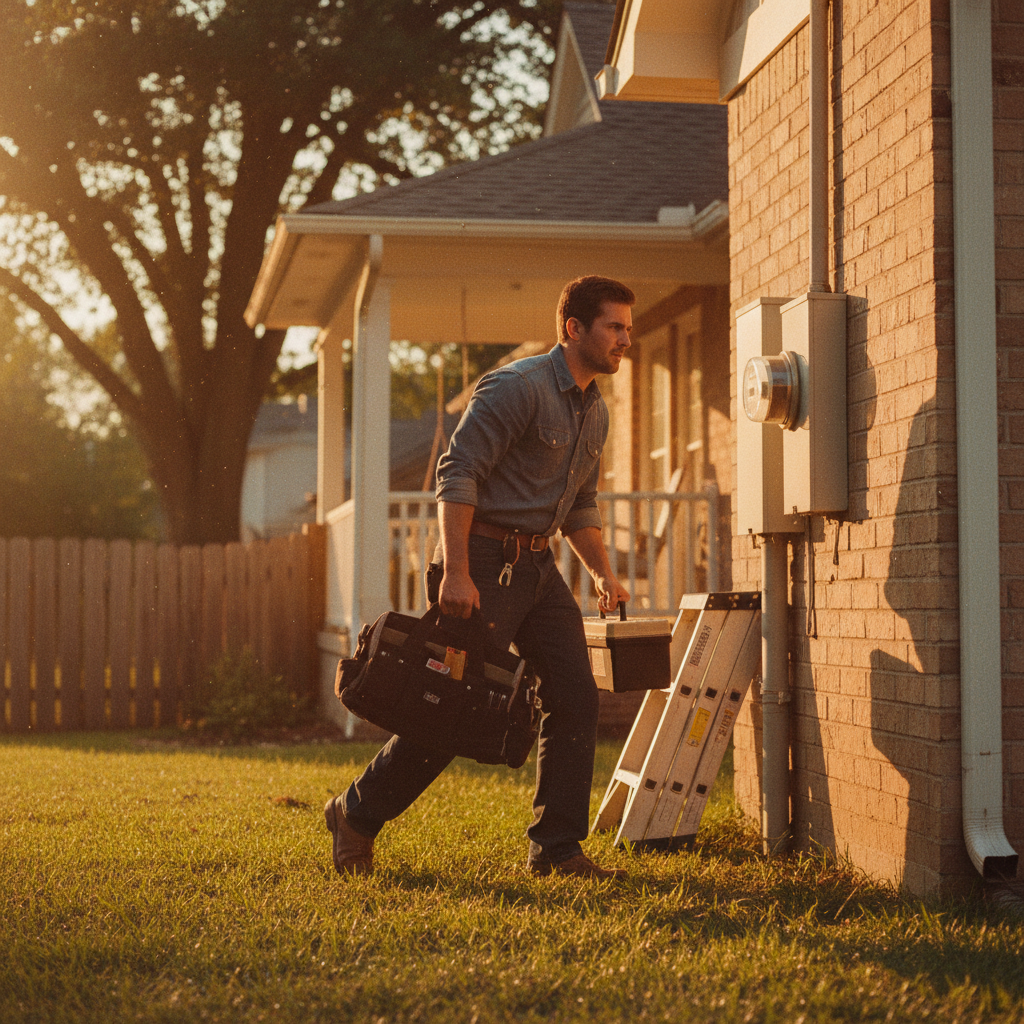
Homeowners often consider DIY kits for outdoor lighting to save on upfront costs, but these consumer-grade products rarely meet the technical standards required for the Utah climate. A professional outdoor lighting installation Juab County residents can depend on requires a deep understanding of circuit loads and environmental sealing. One of the most common issues with amateur installations is the improper grounding of fixtures. Without a solid ground path, a fault in the wiring can energize the metal housing of a light or the surrounding soil, creating a significant shock hazard.
Water ingress is another critical concern. In Juab County, where heavy spring runoff and winter snow melt are common, junction boxes and wire connections must be perfectly sealed. Moisture entering a poorly installed box leads to corrosion, short circuits, and frequent tripped breakers. Our licensed electricians in Juab County ensure every connection is housed in weatherproof enclosures and that all outdoor circuits are protected by a Ground Fault Circuit Interrupter (GFCI). This device is essential for safety, as it immediately cuts power if it detects a leak in the electrical current.
Beyond immediate safety, professional reliable electrical services guarantee code compliance. Utah building codes and the National Electrical Code (NEC) have strict requirements for burial depths and transformer sizing. An overloaded transformer can overheat, leading to premature failure or fire risks. Furthermore, documented code compliance is vital for maintaining homeowners insurance coverage and ensuring a smooth process during future property sales. Precision is also required during the physical labor; professional trenching accounts for the location of existing gas and water lines to prevent costly utility strikes. If you want to ensure your system is safe and durable, contact us for a lighting consultation to review your project specifications.
Local Considerations for Juab County Homeowners
Juab County residents face specific environmental challenges that dictate how an outdoor lighting installation Juab County project should be executed. One major priority in rural Utah is Dark Sky awareness. Because the night sky is a valued resource in our region, we focus on designs that minimize light pollution. Using fully shielded luminaires and downward-aimed LEDs allows you to illuminate your property for safety without washing out the stars or causing light trespass onto a neighbor's land.
The local climate also demands superior hardware. In high-elevation areas like Eureka and Levan, fixtures must endure extreme temperature fluctuations. Intense UV rays in the summer can cause plastic components to become brittle and crack, while deep freezes can stress metal housings. Our licensed electricians in Juab County recommend solid brass or heavy-gauge copper fixtures that develop a natural patina, which protects the metal from the elements. These materials are far more durable than the thin, painted aluminum often found in retail stores.
Placement is another critical factor. Illumination should be focused on specific hazards, such as stairs or uneven paths, rather than broad, unshielded floodlights. This approach provides reliable electrical services that respect local wildlife, as excessive light can disrupt the migratory and nesting patterns of animals common to the Wasatch Range. We also consider the impact of snow removal; placing fixtures slightly further back from driveways or using taller bollards ensures they remain functional and visible after a heavy winter storm. If you are ready to design a system that respects the local environment while protecting your home, contact us for a lighting consultation to discuss the best options for your specific acreage.
Choosing the right outdoor lighting involves balancing style, safety, and local regulations to create a space that truly shines. While planning your upgrades is an exciting process, ensuring every component is installed correctly is vital for long-term reliability. If you want expert help with your next installation, we invite you to view our professional Services for more information. Taking this next step ensures your project is handled with care, providing you with a beautiful and safe landscape for years to come.