Professional smoke and carbon monoxide detector installation Juab County follows Utah Code by placing alarms on every level and outside each sleeping area. Hardwired systems are required for their superior reliability, as they utilize interconnected power and battery backups to notify the entire household at once during an emergency.
Homeowners across Juab County often overlook the aging smoke and carbon monoxide detectors in their hallways, yet these devices are the only thing standing between your family and a midnight emergency. Whether you are dealing with a persistent low battery chirp or preparing for a home inspection in Nephi, navigating Utah residential codes can feel like a daunting task. Maintaining a compliant and functional safety system is not merely a legal hurdle; it is a critical investment in your household's security. This guide explores the necessity of hardwired installations over standard battery units, the specific placement requirements mandated by state law, and the essential maintenance schedules you must follow. We will provide the practical expertise you need to ensure your alarms are reliable, properly integrated, and fully prepared to alert you when every second counts.
Understanding Smoke and Carbon Monoxide Detector Laws in Utah
Navigating life safety regulations in Utah requires an understanding of both state statutes and international building codes. Specifically, Utah Code Section 15A-3-104 and Building Code 907.2.11 dictate the standards for fire and life safety devices. While many older homes in Juab County still utilize standalone battery operated units, the legal landscape has shifted significantly for modern properties. Current regulations mandate that all new residential constructions and major renovations include hardwired smoke and carbon monoxide detector installation Juab County homeowners can rely on for long term compliance. These systems must be integrated into the home's electrical grid and feature a battery backup to remain functional during power outages.
A unique aspect of Utah law involves carbon monoxide (CO) detector requirements for rental properties. Unlike many neighboring states, Utah code does not strictly mandate that landlords provide CO detectors in every rental unit. This legal nuance means that renters are often responsible for providing their own plug in units or requesting professional upgrades from property managers to ensure their safety. If you are unsure if your property meets current standards, you can schedule a safety inspection to identify gaps in your coverage.
For property owners, staying ahead of these codes is essential for passing inspections and maintaining insurance eligibility. Meeting the minimum requirements often involves more than just mounting a device; it requires specific circuit configurations and interconnected sensors as outlined in the state amendments to the International Residential Code. Our reliable residential services ensure that every installation meets these strict local and state mandates, providing peace of mind through professional expertise.
Why Hardwired Smoke and Carbon Monoxide Detector Installation is the Standard
A hardwired system operates on a dedicated 120 volt power supply, drawing energy directly from your home’s electrical panel. Unlike battery only units, which can fail if the power source is depleted or the battery is removed, hardwired detectors are constantly powered. To ensure safety during a local power outage, these units include a secondary battery backup. This dual source approach provides the most consistent protection available for modern homes.
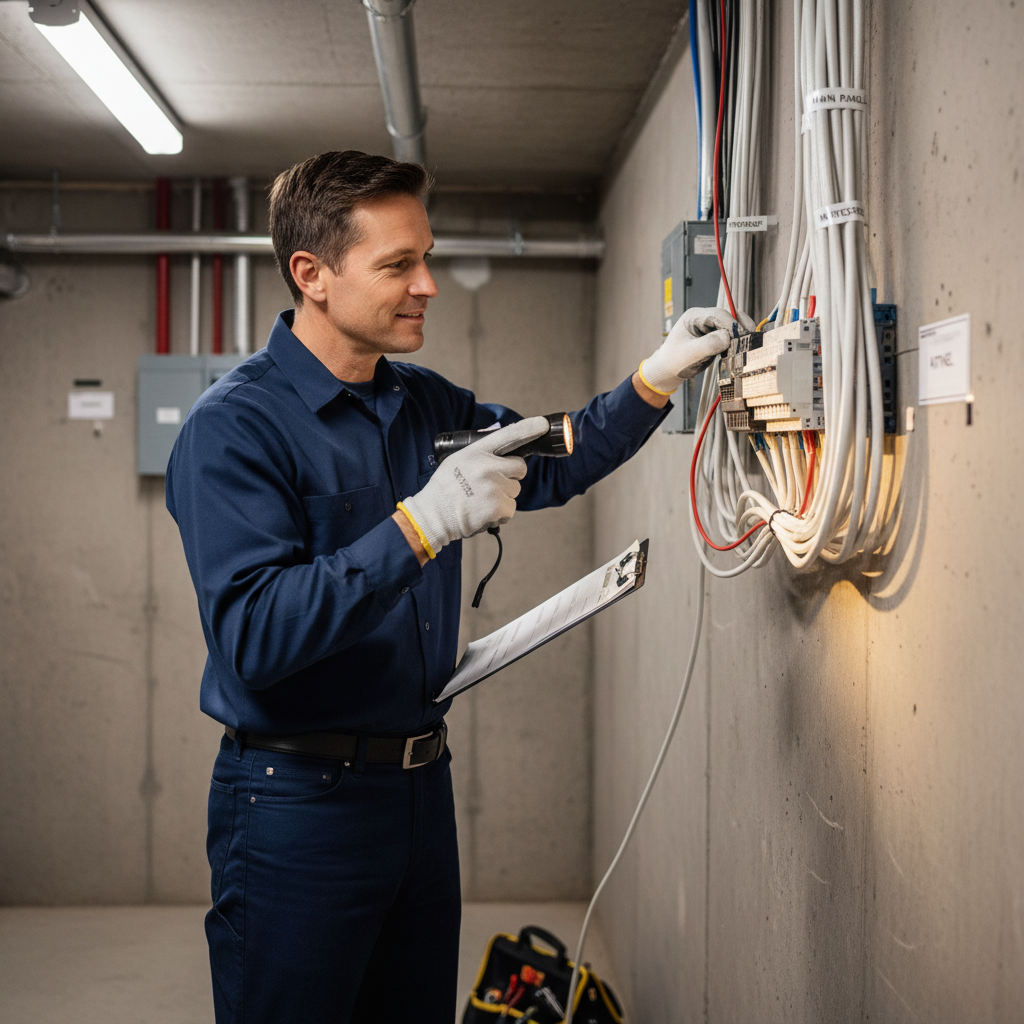
The primary safety advantage of professional smoke and carbon monoxide detector installation Juab County residents receive is the interconnection feature. In an interconnected system, all alarms are linked by a physical communication wire. If a sensor in a basement furnace room detects carbon monoxide, every alarm throughout the house triggers instantly. This simultaneous alert provides critical seconds for evacuation, which is especially important in the larger, multi level homes common in our area. A standalone battery unit can only alert you if the smoke or gas reaches its specific location, which may be too late.
Homeowners sometimes search for information on how to stop nuisance alarms, which can be a common frustration with poorly installed systems. False triggers are often the result of electrical noise or interference when detectors are placed on the same circuit as heavy duty appliances like refrigerators or vacuum cleaners. Professional electricians mitigate these issues through proper circuit isolation and clean wiring techniques. By ensuring the alarm circuit is stable and free from interference, we provide a system that is quiet when it should be and loud when it matters most. If you are experiencing frequent false alarms with your current setup, it may be time to schedule a safety inspection to check the integrity of your wiring and sensor health.
Strategic Placement for Maximum Safety in Juab County Homes
Achieving full protection requires more than just high quality hardware; it demands precise placement throughout the property. Following NFPA 72 and Utah building codes, smoke and carbon monoxide detector installation Juab County homeowners require must follow a strict room by room layout. Every bedroom must contain a dedicated smoke alarm to protect sleepers behind closed doors. Additionally, detectors are required in the immediate vicinity of all sleeping areas, typically in hallways, and on every habitable level of the home, including basements.
In the multi level homes common in Nephi and surrounding rural areas, these levels must be treated as independent zones within the interconnected system. However, placement is also about where not to put a device. To minimize nuisance triggers, sensors should be installed at least 10 feet away from cooking appliances. Airflow also plays a critical role; sensors must remain at least 3 feet away from supply and return vents to prevent air currents from blowing smoke away during a fire. Mounting units too close to a bathroom door with a shower can also lead to moisture induced false alarms, so careful spacing is paramount.
For carbon monoxide protection, Utah Code adds specific visual requirements for certain hardwired configurations. In these instances, a blue strobe or distinct visual alarm signal is necessary to differentiate a gas emergency from a fire. This is especially vital in homes with high ceilings or open floor plans where sound can travel differently. If you are unsure if your current layout meets these distance and visual signal requirements, you can schedule a safety inspection to verify your home’s compliance. Our reliable residential services ensure that every device is positioned to maximize detection speed while minimizing interference from daily household activities.
Carbon Monoxide vs Smoke Detectors: Do You Need Both?
Yes, you absolutely need both smoke and carbon monoxide (CO) detection. While smoke detectors identify the visible or chemical particulates of a fire, carbon monoxide detectors sense an odorless, colorless gas that is a byproduct of incomplete combustion. Because many Juab County homes rely on natural gas for heating and water heaters, or feature attached garages where vehicle exhaust can accumulate, CO detection is a non negotiable safety requirement. If you have any fuel burning appliance or an attached garage, the risk of CO poisoning is a reality that smoke alarms alone cannot address.
When choosing equipment, you can opt for standalone units or combination units. Combination units are efficient for smoke and carbon monoxide detector installation Juab County residents often prefer because they reduce the number of devices mounted on the ceiling and simplify the wiring process. However, there is a technical trade off regarding equipment lifespan. While a standard smoke detector typically lasts 10 years, the chemical sensors in CO detectors usually expire after 7 to 10 years. In a combination unit, the entire device must be replaced when the CO sensor reaches its end of life, even if the smoke sensor is technically functional. For homeowners managing older systems, you can schedule a safety inspection to determine if your current units are nearing their expiration date. Our reliable residential services ensure you select the best hardware configuration for your specific fuel sources and home layout.
The Life Expectancy and Maintenance of Your Alarms
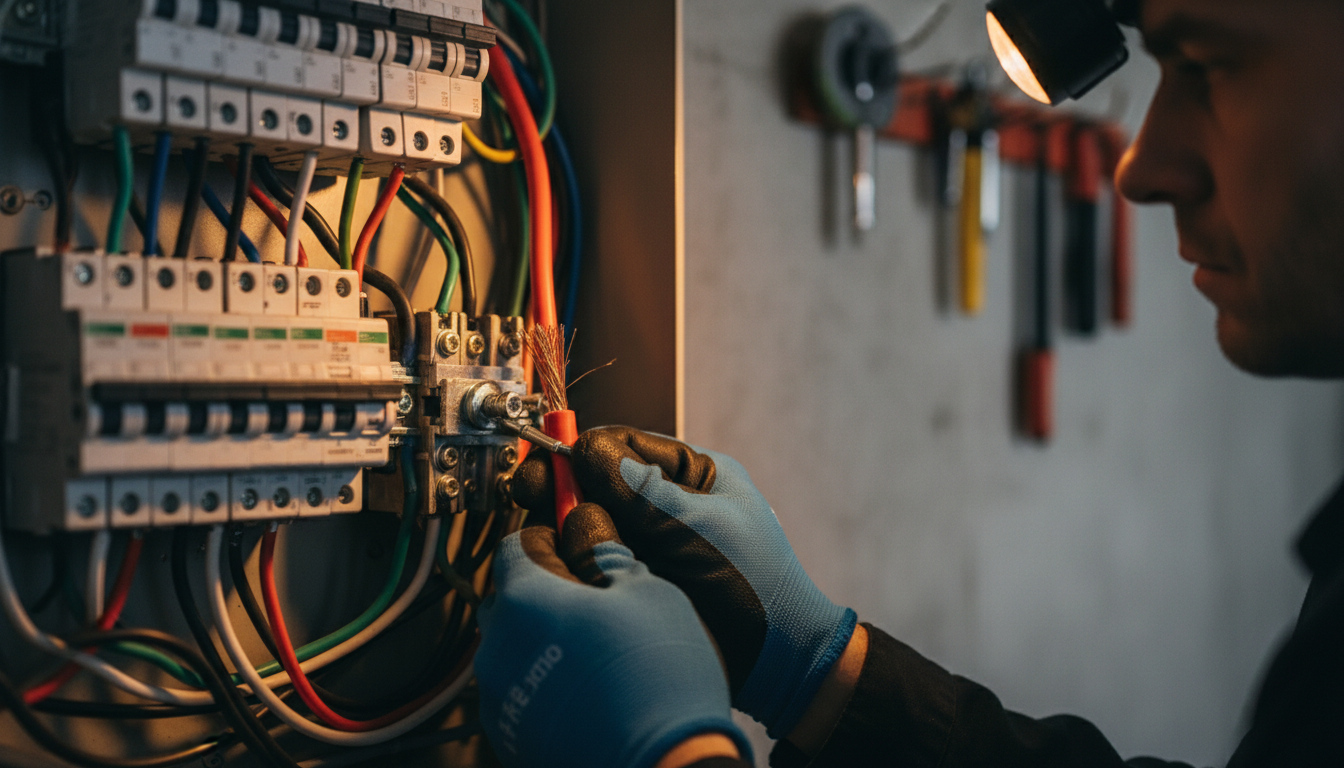
Understanding the lifespan of your safety devices is as critical as the initial installation. Most homeowners ask how often should smoke detectors be replaced, and the industry standard is every 10 years from the date of manufacture. Carbon monoxide detectors have a slightly shorter window, typically requiring replacement every 7 to 10 years depending on the specific model and sensor type. Even in a hardwired smoke and carbon monoxide detector installation Juab County residents rely on, the internal sensors eventually lose their chemical sensitivity and will fail to trigger during an emergency.
Proper maintenance extends the reliability of these units throughout their service life. For homes in agricultural areas like Levan or Mona, seasonal dust and harvest particulates can accumulate inside the sensor chambers, potentially leading to false alarms or delayed response times. We recommend following this basic maintenance schedule: - Monthly: Press the test button on each unit to verify the siren and interconnection signal. - Semi-Annually: Replace the backup batteries, even if the unit is hardwired to your home's electrical grid. - Annually: Use a vacuum brush attachment or canned air to clear dust from the exterior vents and interior sensors.
If you cannot find a manufacture date on the back of your devices, it is safer to assume they have expired. You can schedule a safety inspection to have a professional evaluate your system’s integrity and ensure your home remains compliant with Utah safety standards.
Cost of Professional Smoke and Carbon Monoxide Detector Installation
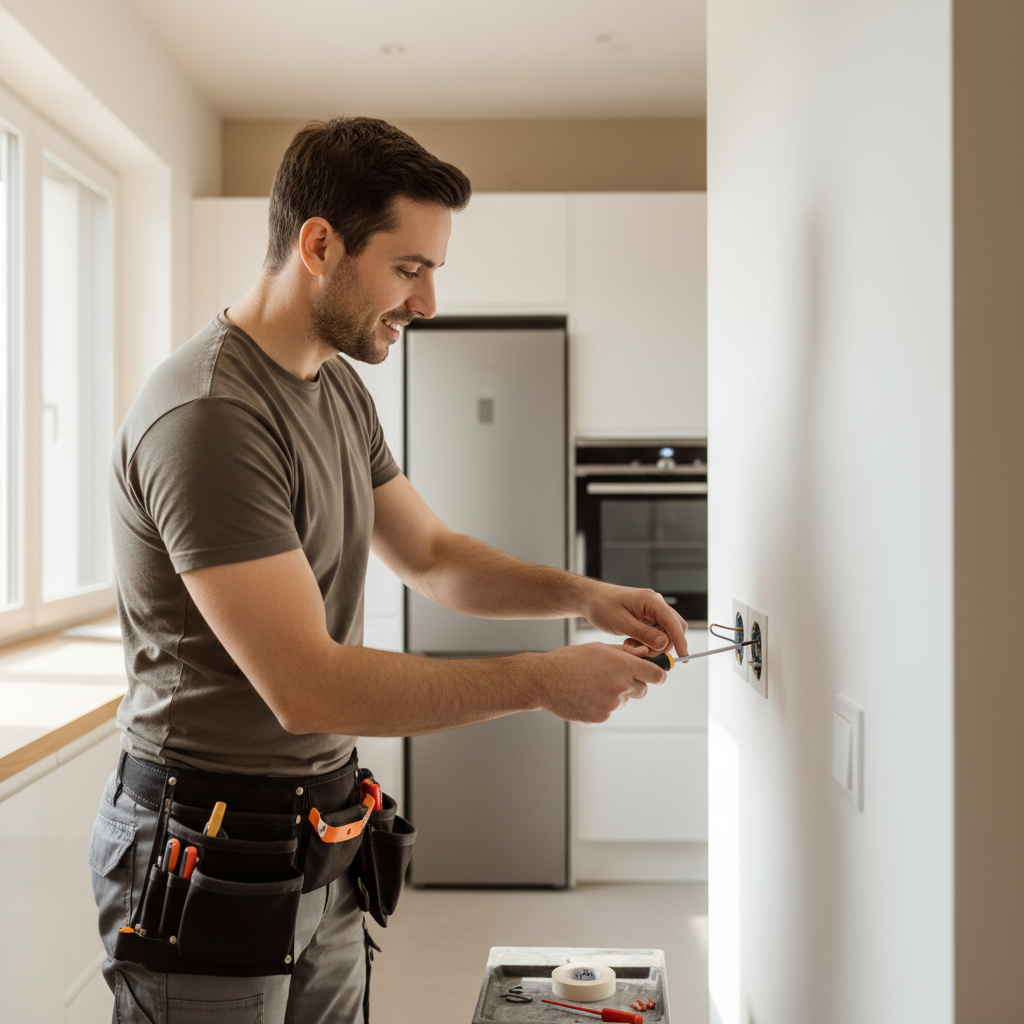
Professional smoke and carbon monoxide detector installation Juab County homeowners invest in generally ranges between $150 and $250 per unit for professional labor. While a standalone battery unit at a hardware store might seem like a bargain, a code compliant hardwired system involves sophisticated electrical work that adds long term value and safety. For a typical 2,000 square foot home in Nephi or Santaquin, a homeowner can expect to need between 5 and 8 units to satisfy current safety codes. This count includes the required devices in every bedroom, hallways, and on each habitable level of the property.
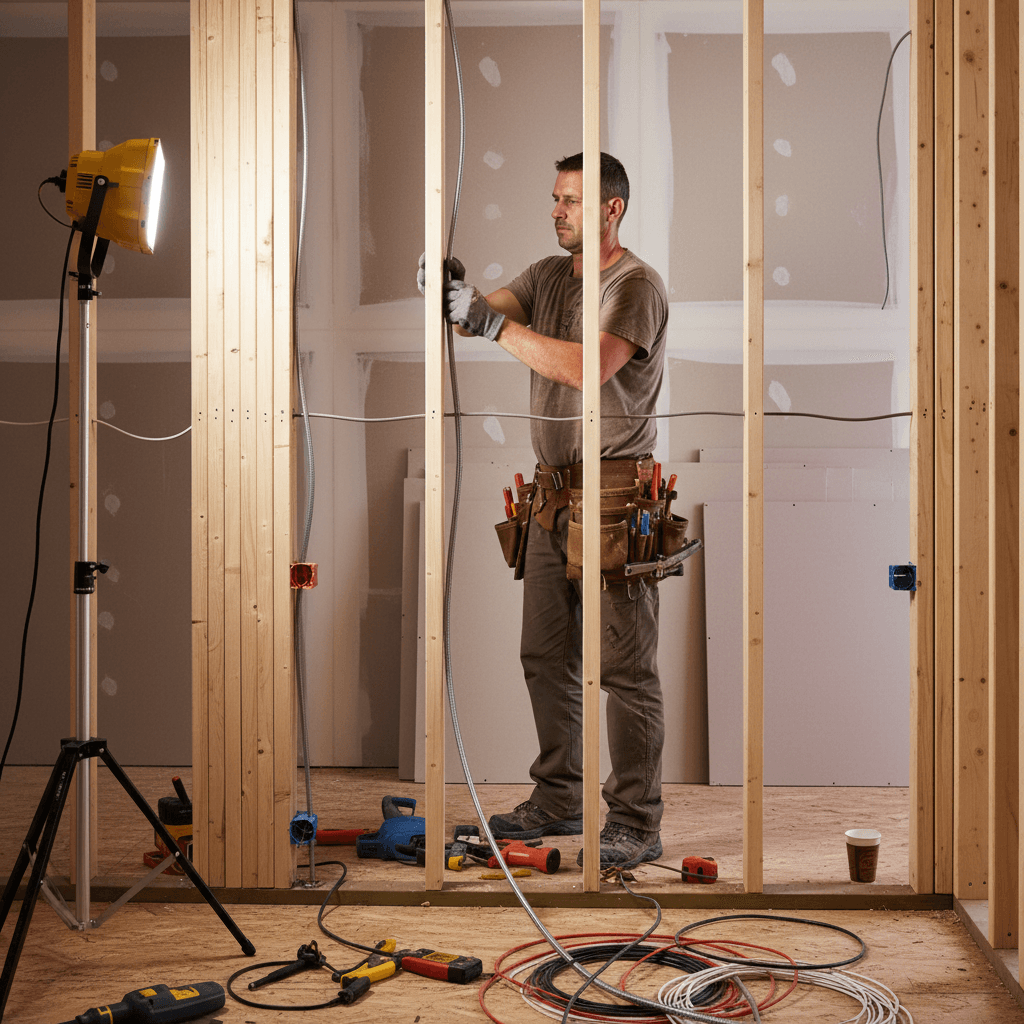
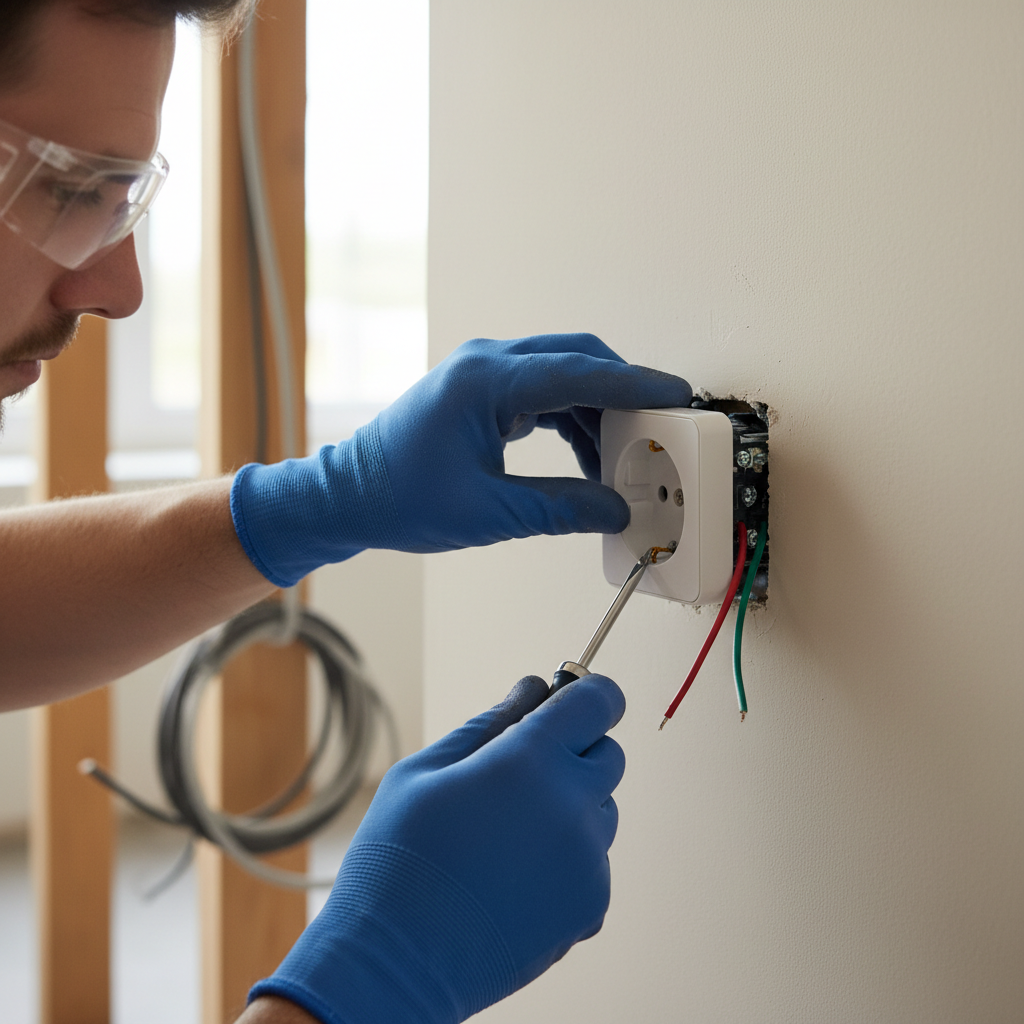
Choosing professional installation over a DIY approach ensures the system is correctly integrated into your electrical panel. An experienced electrician ensures the dedicated circuit is properly isolated to prevent nuisance trips while confirming the interconnection signal is correctly wired throughout the structure. If the communication wire is not seated correctly, the critical "sound one, sound all" safety feature will fail, leaving distant rooms uninformed of a hazard. Furthermore, professional installation provides the necessary documentation for home inspections and insurance requirements. If you are planning a renovation or want to ensure your existing layout is adequate, you can schedule a safety inspection to get an accurate count of necessary devices. Our reliable residential services provide the technical precision needed to move beyond basic battery units toward a fully integrated life safety system.
Choosing an Electrician for Smoke Detector Installation in Juab County
Selecting a qualified professional is about more than just finding someone who can climb a ladder. Juab Electrical brings a deep understanding of the Utah specific amendments to the International Building Code, ensuring that every installation passes local fire marshal inspections. Whether the project is a modern residence in Nephi or a specialized industrial site, our electricians use modern tools to diagnose existing circuit health before adding new devices. This is particularly vital in historic areas like Eureka or Mona, where older homes may still feature outdated wiring that cannot safely support new hardwired loads without proper upgrades.
During a renovation, the complexity of smoke and carbon monoxide detector installation Juab County residents need increases significantly. Integrating new, interconnected units into an existing structure requires precision to avoid damaging finished walls while ensuring full code compliance. Our team handles these challenges by providing tailored solutions for homeowners, property managers, and contractors alike. By opting for reliable residential services rather than a general handyman, you ensure that your life safety system is backed by professional grade workmanship. If you are concerned about the status of your current wiring or need to bring a property up to modern standards, you can schedule a safety inspection to receive a clear, expert assessment of your needs.
Keeping your family safe starts with meeting Utah code requirements and choosing reliable, hardwired detection systems. While understanding these regulations is important, ensuring every unit is installed correctly provides the ultimate peace of mind. If you want expert help with your home safety upgrades, we invite you to browse our Services to learn more. Our team is dedicated to providing high quality solutions that protect your property and ensure you remain fully compliant with all local safety standards.