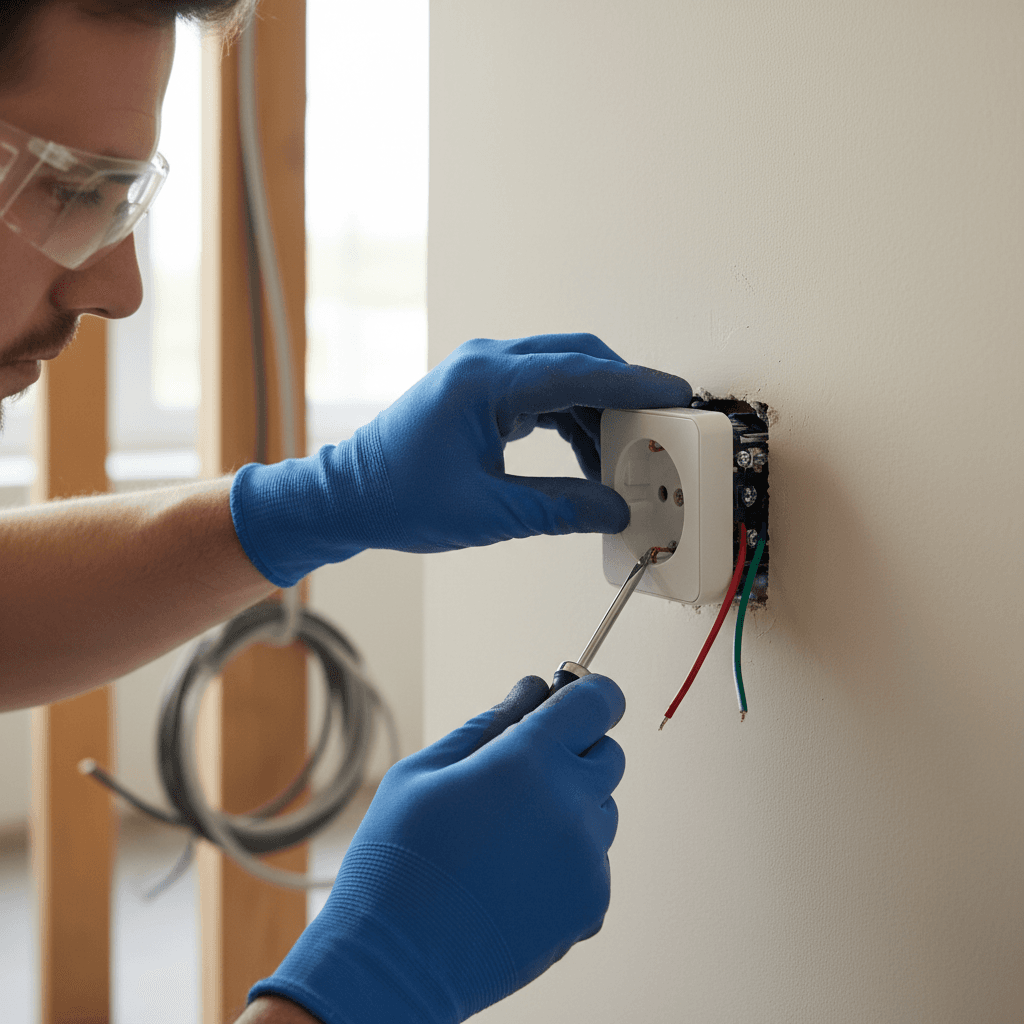
Old house wiring Juab County residents should be aware of includes hazardous knob and tube, aluminum, and cloth-covered systems that significantly increase fire risks. Upgrading to modern copper wiring is essential for ensuring code compliance, improving electrical safety, and protecting property value over time. Professional rewiring provides a permanent solution to the insulation degradation and connection issues common in older Utah homes.
If you own one of the many historic homes in Nephi, Mona, or Eureka, you likely appreciate the craftsmanship of the past while worrying about the hidden systems behind your walls. Flickering lights or warm outlet covers are more than just quirks; they are warning signs that your property was not built for today's high-demand appliances. Aging electrical components pose significant fire hazards and can complicate your ability to secure affordable homeowners insurance in Utah. At Juab Electrical, we understand the specific infrastructure challenges unique to Juab County properties. In this guide, we will break down the dangers associated with knob and tube, aluminum, and cloth-insulated wiring systems. You will learn how to identify these outdated materials, recognize the red flags that require immediate attention, and understand what a professional whole-home rewire involves to ensure your family remains safe for decades to come.
Understanding the Risks of Aging Electrical Systems in Utah Homes
Juab County is home to a significant number of historic properties, particularly in established communities like Nephi, Eureka, and Mona. Many of these residences date back to periods when electrical needs were minimal, consisting primarily of basic lighting and small appliances. While these historic homes offer undeniable charm and architectural character, their infrastructure often faces severe strain from the demands of the 21st century.
Today, homeowners expect their properties to power high-end kitchen appliances, multiple computer workstations, and even electric vehicle charging stations. Most old house wiring Juab County residences still contain was never engineered to handle such significant loads. When these aging systems are pushed beyond their original capacity, the risk of electrical fires increases substantially. Before planning a renovation or adding new equipment, you must understand what is behind your walls.
Identifying the specific type of legacy wiring present in your home is the foundational step in fire prevention and long term safety. To ensure your home meets current safety standards, scheduling an electrical safety inspection can help pinpoint vulnerabilities before they become emergencies. By choosing professional electrical services, you can modernize your home while preserving its historic integrity. If you have concerns about your system, you should contact our experienced electricians to evaluate your home's current capacity and safety.
Knob and Tube Wiring: The Pre 1950s Standard
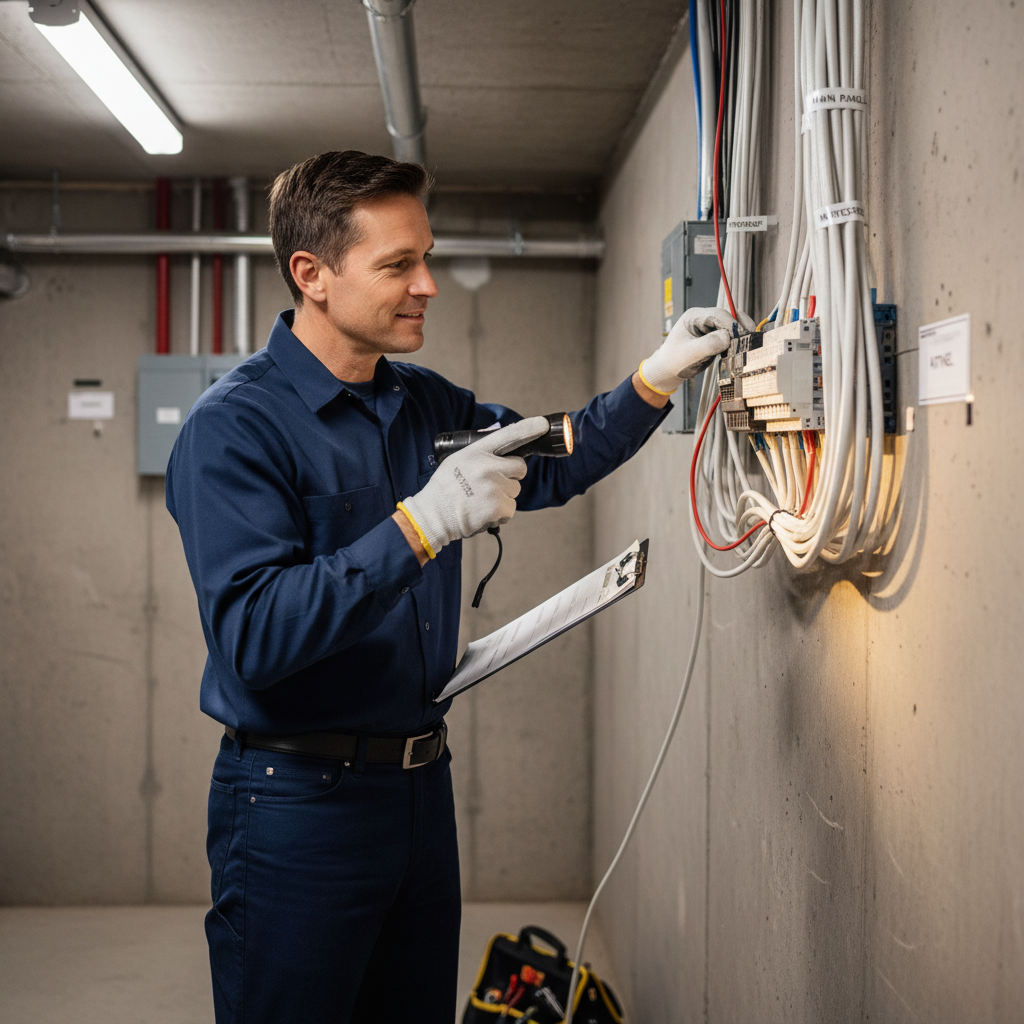
Knob and tube (K&T) wiring represents the earliest standard for residential electrification, common in Utah homes built before 1950. This system utilizes individual copper conductors wrapped in rubberized cloth, supported by porcelain knobs to maintain tension and passed through porcelain tubes where wires cross through joists or studs. While aesthetically interesting to historians, these systems are significant contributors to the hazards of old house wiring Juab County property owners must address, particularly in the historic mining era buildings of Eureka.
Three critical safety concerns define the risks associated with active K&T wiring:
Lack of Grounding: Unlike modern Romex or conduit systems, K&T does not include a dedicated ground wire. This absence leaves sensitive modern electronics vulnerable to surges and increases the risk of electric shock to occupants during a fault.
Insulation Decay: The organic cloth and rubber insulation has reached the end of its functional lifespan. Over seven decades, this material becomes brittle and turns to dust when disturbed, leaving energized copper wires exposed within wall cavities.
Thermal Hazards: K&T was designed to operate in open air to dissipate heat. When modern blown-in insulation is added to an attic or wall containing active K&T, the wires can no longer cool themselves. This leads to heat buildup that can ignite surrounding materials.
If your home still features these porcelain components, scheduling an electrical safety inspection is vital to verify the system's integrity. Identifying active K&T is the first step toward modernizing your property with professional electrical services that meet current safety codes. You should contact our experienced electricians to discuss how to safely decommission these legacy systems.
The Aluminum Wiring Era: 1960s and 1970s Hazards
Aluminum became the industry standard for residential branch circuit wiring between roughly 1965 and 1973. During this period, a significant copper shortage caused by the Vietnam War forced builders to look for more affordable alternatives. While aluminum remains safe for heavy service entrance cables when installed correctly, its use in the smaller circuits powering outlets and lights created a unique set of fire hazards.
The primary failure point of aluminum is a phenomenon known as cold creep. Aluminum is more malleable than copper and undergoes significant thermal expansion when an electrical load is applied. As the wire heats up and then cools down, it expands and contracts at a different rate than the brass or steel screws on your outlets and switches. This cycle eventually causes the connection to loosen. Once the connection is loose, electricity must jump the gap; this creates an arc that can ignite framing or insulation.
Furthermore, exposed aluminum oxidizes rapidly when exposed to air. Unlike copper oxide, which remains conductive, aluminum oxide acts as an insulator. This increases resistance at the terminal, generating localized heat that can melt wire nuts or ignite the surrounding plastic of an outlet before a breaker ever trips. If your home was built during this high risk window, scheduling an electrical safety inspection is essential to identify at risk circuits.
Addressing this type of old house wiring Juab County typically involves two main paths:
Method | Description | Primary Benefit |
|---|---|---|
Full Replacement | Removing all legacy aluminum and installing modern copper Romex throughout the home. | Permanent safety and maximum home valuation. |
Remediation | Using specialized Alumiconn connectors or COPALUM crimps to pigtail copper to aluminum. | Cost effective and less invasive than wall to wall rewiring. |
A professional must evaluate these connections, as standard wire nuts actually worsen the problem by trapping heat. You should contact our experienced electricians to discuss which option fits your budget and safety needs. Utilizing professional electrical services ensures that any remediation meets the specific torque and antioxidant requirements mandated by modern safety codes.
Cloth Insulated Wiring and Brittle Jackets
While aluminum failures often stem from mechanical movement at connections, the risks associated with 1940s and 1950s systems are rooted in material decay. Cloth-jacketed wiring, an early version of non-metallic sheath cable, uses a combination of rubber and woven cotton to insulate copper conductors. Over seventy years, the rubber dries out and the cotton braid loses its structural integrity.
The primary hazard of this specific old house wiring Juab County homeowners face is its extreme brittleness. A circuit may appear to be functioning perfectly until it is disturbed. The moment you attempt to replace an aging outlet or install a new ceiling fan, the act of bending the wires causes the insulation to flake away. This leaves bare, energized copper exposed inside the wall box, which can lead to arcing or a direct short circuit against the metal casing.
Because the damage is often hidden behind the outer jacket, you cannot verify the safety of these wires by a simple visual glance at the panel. If you are planning a renovation in an older Nephi or Mona home, scheduling an electrical safety inspection is the only way to ensure the jackets are not compromised. Our team provides professional electrical services to replace these fragile systems with modern, heat-resistant Romex. You should contact our experienced electricians before beginning any DIY electrical work in a home from this era to avoid accidental fires caused by crumbling insulation.
How to Identify Your Home's Wiring Type
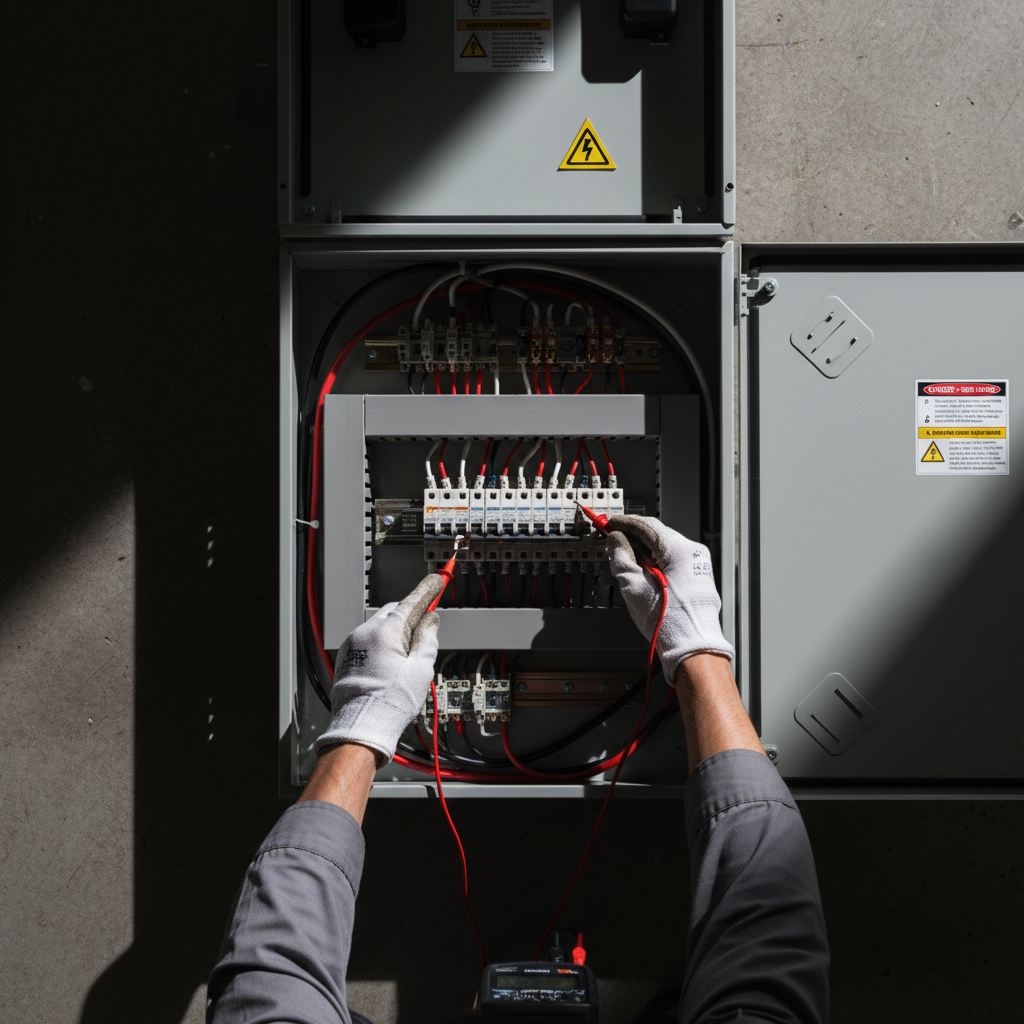
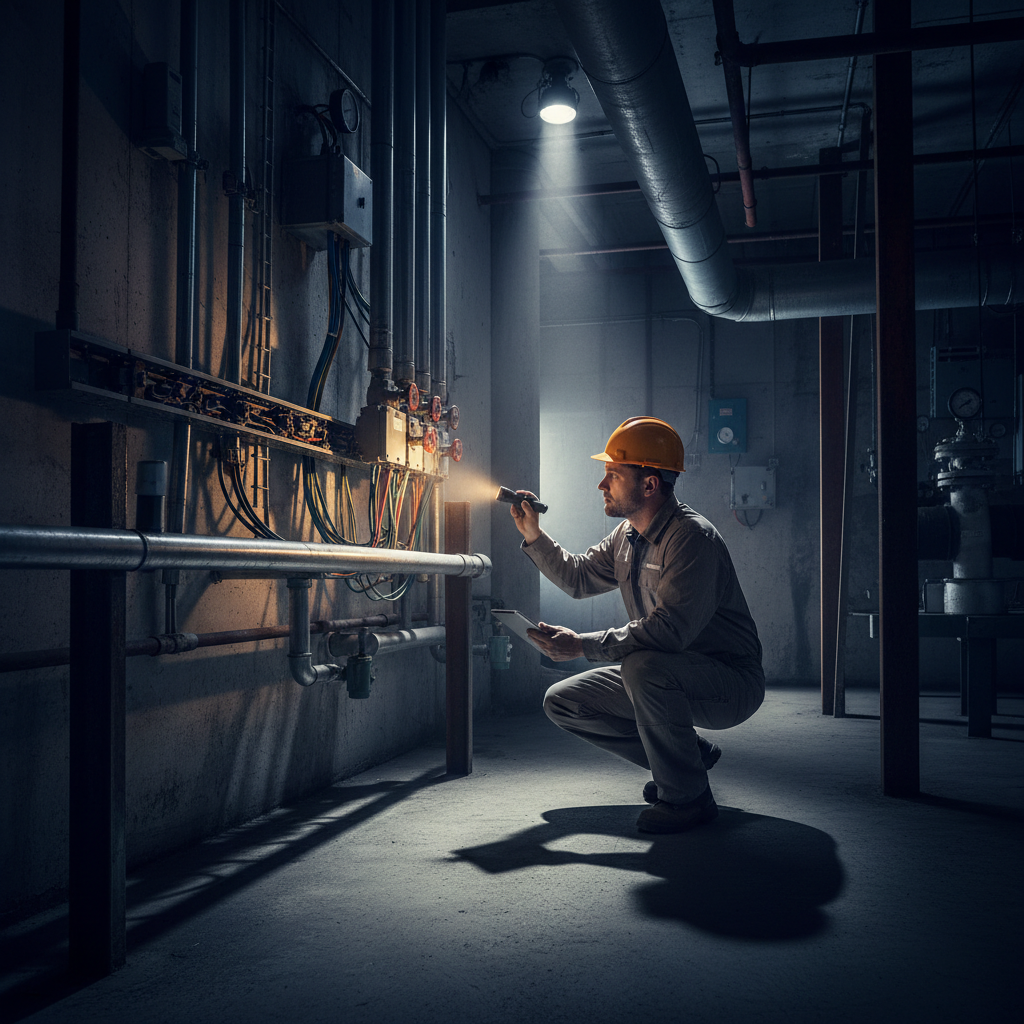
Determining the state of your old house wiring Juab County infrastructure requires accessing areas where the building's skeleton is exposed. The most effective locations for a visual check are unfinished basements, attics, and crawlspaces; these are areas where wires are typically not hidden behind drywall or plaster.
When inspecting these areas, look for the following visual identifiers:
Knob and Tube: Search for white porcelain cylinders (knobs) used to anchor wires to joists and ceramic tubes used where wires pass through wood.
Aluminum Wiring: Examine the exposed ends of wires at the service panel or within junction boxes. Aluminum has a distinct silver or grey color compared to the reddish hue of copper. You may also see the letters "AL," "ALUM," or "CO/ALR" printed directly on the plastic wire jacket.
Cloth Insulated: Identify this by its woven, fabric-like outer layer. Over time, this material often appears frayed, dusty, or stiff, resembling a weathered shoelace.
While a visual check provides a starting point, you should avoid touching or moving legacy wires, especially those with brittle cloth jackets. Disturbing these systems can cause immediate short circuits or electrical shocks. For a definitive assessment, scheduling a professional electrical safety inspection is the most secure method. Our team provides professional electrical services to identify hidden hazards that a layman might miss. If you are unsure what is inside your walls, contact our experienced electricians to perform a safe, non-invasive evaluation.
Signs Your Older Juab County Home Needs Immediate Rewiring
Once you have identified the presence of legacy materials, you must watch for active failure symptoms. These warning signals often indicate that the old house wiring Juab County homes rely on is currently failing under load.
Flickering lights are a common indicator; if they dim when an appliance starts or fluctuate when the wind blows outside, you likely have loose connections or a compromised service entrance. These fluctuations are not merely annoying; they are often the result of arcing, which generates intense heat within wall cavities.
Physical heat at the point of use is another critical red flag. If outlet covers feel warm to the touch or show brown, charred discoloration, the internal connections are likely oxidizing or suffering from the cold creep associated with aluminum wiring. This resistance creates a localized fire hazard that can ignite wall studs before a breaker ever trips.
Warning Sign | Potential Electrical Cause |
|---|---|
Persistent Burning Smells | Melting insulation or plastic components due to high heat. |
Frequently Tripping Breakers | Circuit overloads or short circuits in degraded cloth wiring. |
Warm or Discolored Outlets | Arcing at the terminal or high resistance from oxidation. |
Flickering Lights | Loose connections at the panel, outlet, or service mast. |
If you notice these issues, stop using the affected circuit and schedule an electrical safety inspection immediately. Delaying professional electrical services when these signs appear increases the risk of property loss. You should contact our experienced electricians to evaluate these hazards before they escalate into an emergency.
Insurance Challenges and Home Valuation
Navigating insurance requirements is often the most stressful part of owning a property with old house wiring Juab County residents encounter. Many Utah insurance carriers now refuse to issue policies for homes containing active knob and tube wiring due to the high fire risk. Even when coverage is available for aluminum systems, premiums are frequently much higher unless the owner provides documentation of professional remediation.
These electrical issues create significant hurdles during property transfers. Most mortgage lenders require a valid insurance policy before funding, meaning a home with uninsurable wiring can effectively become unsellable to traditional buyers. In the Nephi and Eureka real estate markets, discovering legacy wiring during a home inspection often leads to requests for massive repair credits or demands for a complete system replacement before closing.
Proactively scheduling an electrical safety inspection allows you to identify these liabilities before they disrupt a sale. Investing in professional electrical services protects your home equity and ensures your property remains insurable. To verify if your system meets current carrier standards, you should contact our experienced electricians for a detailed assessment.
What to Expect During a Professional Whole Home Rewire
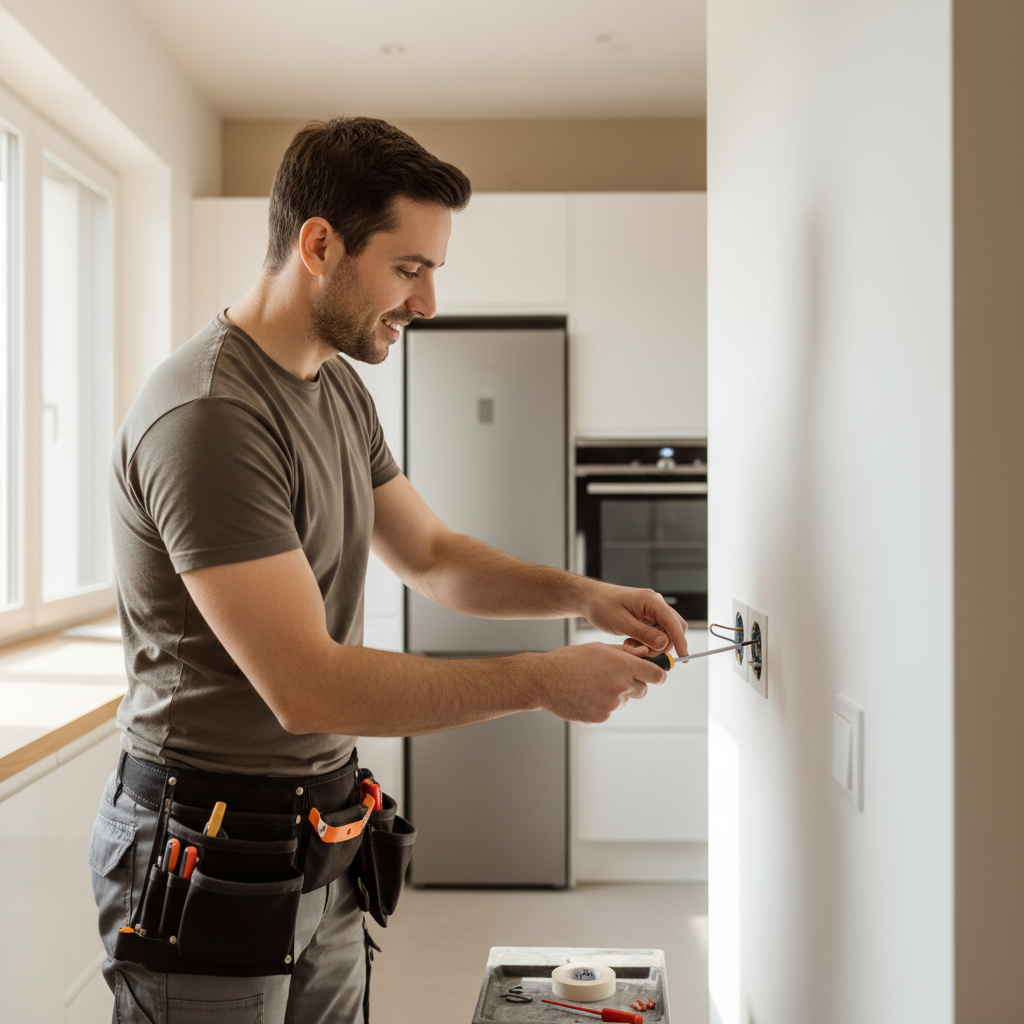
Modernizing your electrical infrastructure does not require stripping your home to the studs. When Juab Electrical addresses old house wiring Juab County residents often fear massive cosmetic damage, but modern techniques prioritize surgical precision. Our team uses specialized tools to fish new copper Romex through existing wall cavities from access points in the attic or crawlspace. This method significantly reduces the need for drywall removal, limiting repairs to small, manageable patches.
During a professional whole home rewire, we replace every outdated component with a system that meets current Utah building codes. This upgrade provides several tangible benefits:
Proper Grounding: Three-prong outlets throughout the home protect your electronics and family from surges.
Dedicated Circuits: Independent power for high-draw areas like kitchens, bathrooms, and laundry rooms prevents nuisance tripping.
Arc-Fault Protection: Modern AFCI breakers detect dangerous arcing before a fire starts.
By choosing professional electrical services, you ensure the project is permitted and inspected, which is a vital document for future home sales and insurance compliance. If you are ready to move beyond the limitations of legacy systems, you should contact our experienced electricians to schedule a walkthrough. A comprehensive electrical safety inspection serves as the roadmap for this process, ensuring your home remains powered safely for decades.
Ensuring your Juab County home is safe starts with recognizing the limitations of aging electrical systems like cloth or aluminum wiring. These older methods often lack the capacity for modern appliances, which creates potential safety risks over time. Protecting your property requires a proactive approach to maintenance and upgrades. If you want expert help navigating these complex vintage systems, our team is ready to assist. You can learn more about our commitment to local homeowners and our history of service to find the right solution for your needs.