The answer to do I need to upgrade my electrical panel for solar depends on whether your current busbar capacity can safely handle the additional power flow under the 120 percent rule. If your existing system is outdated or lacks sufficient amperage, you may need to install a solar ready electrical panel to meet modern safety standards and accommodate new solar panel electrical wiring.
Many homeowners in Juab County start their solar journey with excitement, only to face a frustrating hurdle when they discover their existing electrical panel is outdated. It is discouraging to learn that your path to energy independence might be stalled by a small metal box in your garage or basement. This component acts as the heart of your home's energy system; if it cannot safely manage the bi-directional flow of power from your solar array, your entire investment is at risk. Understanding the technical requirements, such as the 120 percent rule and the necessity of a 200 amp service, is vital for a seamless transition. In this guide, we will explore the specific criteria that determine if you need an upgrade. We will also examine the costs involved and the critical safety standards required to ensure your solar installation is both efficient and code compliant.
Understanding the Role of Your Main Service Panel in Solar Energy
Your main service panel acts as the central nervous system for your property. In a standard setup, it receives electricity from the utility grid and distributes it to your lighting, appliances, and HVAC equipment through individual circuit breakers. However, adding a photovoltaic (PV) system changes this dynamic entirely. Instead of power flowing in a single direction from the grid to your home, the panel must now act as a two way gateway, managing simultaneous inputs from both the utility and your solar inverter.
Many properties across Juab County, particularly older homes in historic areas of Nephi or Levan, were built when residential electrical demands were far lower. These legacy panels were designed long before solar energy was a standard residential addition. When you ask yourself, "do I need to upgrade my electrical panel for solar," the answer often depends on how well your existing busbars can handle this dual energy stream without overheating or exceeding their rated capacity.
National Electrical Code (NEC) standards have evolved to ensure that panels backfed by solar remain safe and fire resistant. If your current equipment is undersized or lacks the physical space for a dedicated solar breaker, it poses a significant risk to your home infrastructure. Before moving forward with a solar installation, it is wise to contact Juab Electrical for an inspection to determine if your hardware meets current safety requirements. Providing comprehensive residential electrical services means we can identify technical bottlenecks that generic solar installers might overlook, ensuring your system is built on a foundation that is both code compliant and efficient.
The 120 Percent Rule and Your Solar Backfed Breaker
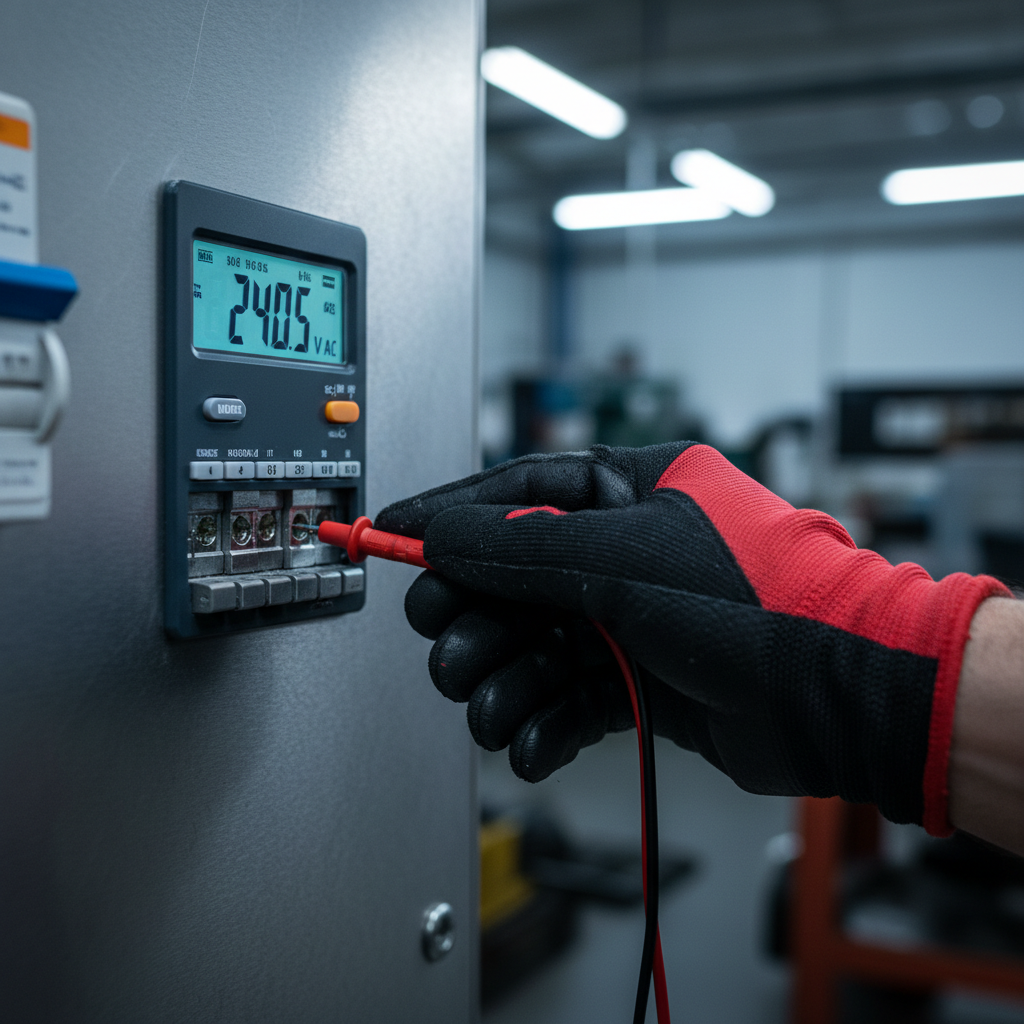
The National Electrical Code (NEC) dictates how much power can safely flow through your service panel using the 120 percent rule. This safety standard exists to prevent the busbars, which are the internal metal rails carrying electricity, from overheating when they receive power from two sources simultaneously. Because your solar inverter feeds electricity into the panel at the same time the utility grid provides power through the main breaker, the total amperage could potentially exceed the busbar's thermal rating. The NEC allows the sum of the power sources to reach 120 percent of the busbar’s rating, provided the solar breaker is installed at the opposite end of the main breaker.
To determine if your current setup is sufficient, you can apply a specific formula. You multiply the busbar rating by 1.2 and then subtract the size of the main breaker. The resulting number is the maximum amperage allowed for your solar backfed breaker.
Component | Value Example | Calculation Step |
|---|---|---|
Busbar Rating | 200 Amps | 200 x 1.2 = 240 |
Main Breaker Size | 200 Amps | 240 - 200 = 40 |
Max Solar Capacity | 40 Amps | Final Limit |
In this common scenario, a standard 200 amp panel with a 200 amp main breaker only permits a 40 amp solar breaker. If your planned solar array is large enough to require a 50 or 60 amp breaker, your system will not pass inspection under these conditions. Homeowners then face two primary options. The first is to "de-rate" the main breaker. This involves replacing a 200 amp main breaker with a 175 amp or 150 amp alternative, which increases the mathematical headroom for solar. However, this only works if your home’s total electrical load, including AC units and electric ranges, does not exceed the new, lower limit.
The second, more robust option is a full electrical panel upgrade to a unit with a higher busbar rating. For example, installing a panel with a 225 amp busbar paired with a 200 amp main breaker allows for 70 amps of solar capacity. Understanding these calculations is essential when asking, "do I need to upgrade my electrical panel for solar," because technical limits often dictate the size of your renewable energy investment. If you are unsure about your panel's busbar rating, you should contact Juab Electrical for an inspection. Our team provides specialized residential electrical services to ensure your panel is prepared for these complex load requirements, and you can find further details on hardware safety in our electrical panel upgrade guide.
Comparing 100 Amp versus 200 Amp Panels for Solar Readiness
The primary hurdle for many residents in older Juab County neighborhoods is the legacy 100 amp service panel. While 100 amps was once the gold standard for residential power, it was designed to support a simpler era of incandescent lighting and basic appliances. When you factor in the 120 percent rule, a 100 amp panel with a matching 100 amp main breaker only allows for a 20 amp solar backfed breaker. Modern residential solar arrays frequently require 40, 50, or 60 amp breakers to handle the output from high efficiency panels. Attempting to force this level of current into a 100 amp busbar creates excessive heat, which can lead to equipment failure or fire hazards.
Service Size | Typical Solar Capacity (120% Rule) | Suitability for Modern Solar |
|---|---|---|
100 Amp | 20 Amps | Poor; requires de-rating or upgrade |
125 Amp | 25 to 50 Amps | Moderate; limited by busbar rating |
200 Amp | 40 to 70 Amps | Excellent; modern industry standard |
In contrast, 200 amp panels serve as the standard for solar ready homes in Utah. They provide the necessary thermal headroom to accommodate both the utility grid and a significant solar array without straining the internal components. However, amperage is not the only factor to consider. Even with a 200 amp rating, physical space remains a common bottleneck. Many local panels are already crowded with circuits for central air conditioning, electric ranges, and heavy shop tools. If every slot is occupied, you might still wonder, "do I need to upgrade my electrical panel for solar," even if your total amperage is technically sufficient.
A dedicated double pole breaker for the solar inverter requires two adjacent open slots. If your panel is at maximum capacity, you cannot simply swap in thinner breakers for a solar connection because code mandates a specific, dedicated termination point for the PV system. If you discover your panel lacks the physical or electrical capacity for your renewable energy goals, you should contact Juab Electrical for an inspection. Our team can assess if a simple panel swap is sufficient or if you require more comprehensive residential electrical services to modernize your entire service entrance. For more information on identifying aged or dangerous equipment, refer to our electrical panel upgrade guide.
Physical Space and Dedicated Circuit Requirements
Even if your panel meets the mathematical amperage requirements, the physical real estate inside the enclosure is a frequent deal breaker. In many Juab County homes, the service panel is already crowded with breakers for heavy loads like central air conditioning, electric ranges, and electric water heaters. When you evaluate "do I need to upgrade my electrical panel for solar," you must look for two adjacent, empty slots. A solar inverter requires a dedicated double pole breaker to handle the 240 volt output it generates, and this component cannot be squeezed in as an afterthought.
You might think using tandem or "twin" breakers to consolidate existing 120 volt circuits would free up the necessary space. However, these slim breakers are not a universal fix. Many older panels have specific limits on how many tandems can be used, and more importantly, the solar backfed breaker must be a full sized, dedicated unit to ensure stable connection and proper heat dissipation along the busbar. A truly solar ready panel often includes factory labeled space at the bottom of the busbar, specifically designed to meet code requirements for backfeeding.
If your current box is packed to the edges, adding a sub panel is an option, but a full panel upgrade is often the cleaner, more reliable long term solution for your property. For a precise evaluation of your current layout, you can contact Juab Electrical for an inspection. Our team provides the specialized residential electrical services needed to reconfigure or replace crowded systems, ensuring your project isn't stalled by a lack of physical space. You can also find more details on modern hardware in our electrical panel upgrade guide.
Signs Your Juab County Home Needs a Pre Solar Electrical Upgrade
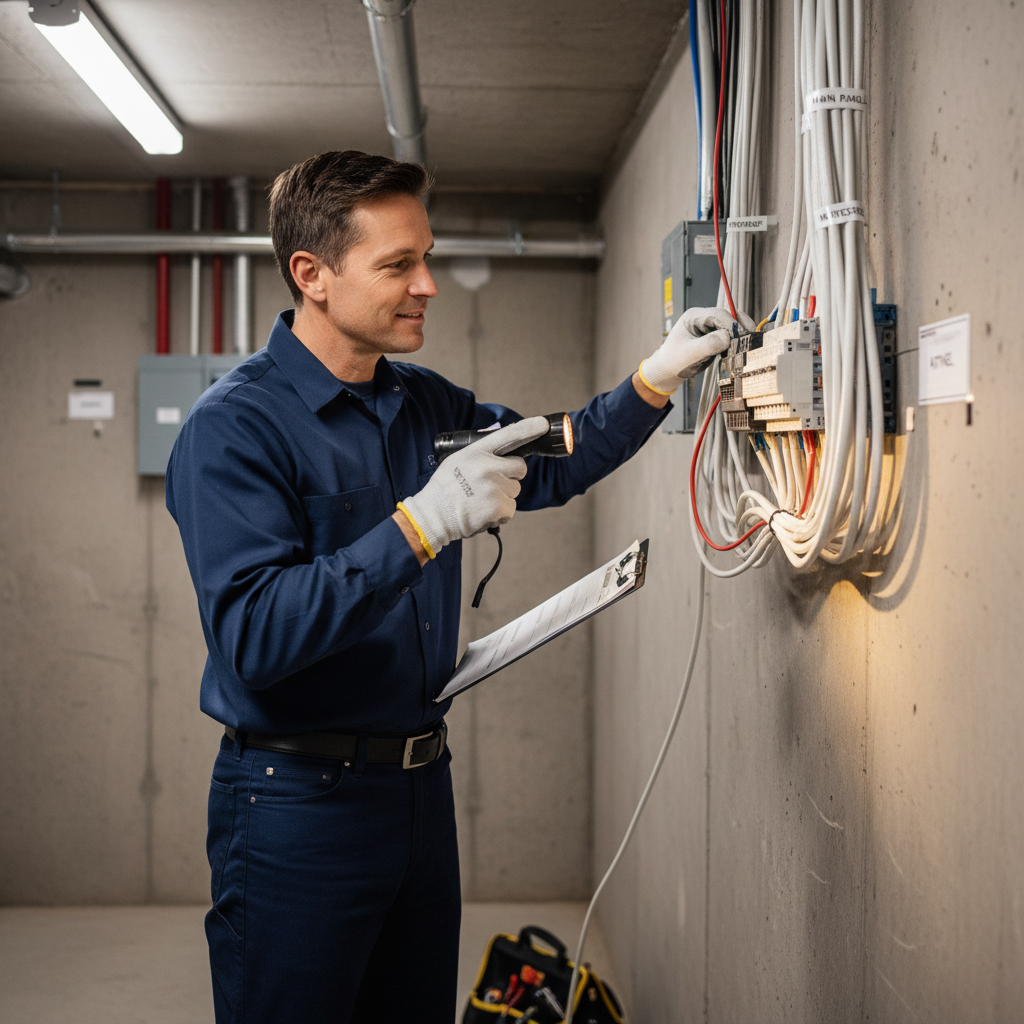
Identifying equipment failure before a solar technician steps onto your roof is a proactive way to avoid costly project shutdowns. In many historic homes across Nephi and Mona, the age of the equipment is the first indicator. If your panel bears the brand name Federal Pacific Electric (FPE) or Zinsco, it is an immediate candidate for replacement. These legacy brands are known for design flaws where breakers fail to trip during an overload, creating a fire risk that most solar permitting offices will not overlook.
Other physical warning signs include: - Visible rust or white powdery corrosion on the busbars or breaker contacts, often caused by basement moisture common in older Juab County properties. - Scorch marks or a persistent smell of ozone or burning plastic near the enclosure, indicating arcing or overheating. - Dimming or flickering lights when high draw appliances, such as your refrigerator or AC compressor, cycle on.
If you notice these issues, you might ask, "do I need to upgrade my electrical panel for solar" before signing a contract with a solar provider. Addressing these defects beforehand ensures the work is performed by a local expert familiar with Utah's specific electrical requirements. National solar companies often rely on generic subcontractors from out of town who may prioritize speed over local code nuances. By choosing residential electrical services from Juab Electrical, you secure a foundation that is safe and ready for inspection. For a detailed list of hardware risks, see our electrical panel upgrade guide or contact Juab Electrical for an inspection to clear any hurdles before your solar project begins.
Estimating the Cost to Upgrade an Electrical Panel from 100 Amps to 200 Amps
When homeowners realize their existing equipment cannot support a new PV system, the primary concern shifts to the budget. In the Juab County market, upgrading from a 100 amp to a 200 amp service typically ranges from $2,500 to $5,000. This estimate depends on several variables, including current material costs for copper and breakers, labor hours, and specific permit fees required by local municipalities in Nephi or rural Juab County.
It is important to differentiate between a simple panel swap and a full service entrance upgrade. A panel swap involves replacing only the indoor circuit breaker box. However, if your exterior meter base or the service mast, which is the pipe connecting your home to the utility lines, is only rated for 100 amps, a full service upgrade is necessary. This involves more extensive labor and materials to ensure the entire pathway from the grid to your home can safely handle the increased load.
Upgrade Type | Estimated Cost Range | Key Components Involved |
|---|---|---|
Standard Panel Swap | $2,000 – $3,500 | Indoor box, breakers, basic grounding |
Full Service Upgrade | $3,500 – $5,500+ | Meter base, service mast, weatherhead, grounding |
Financial incentives can offset these costs. Under current federal guidelines, homeowners may qualify for a tax credit of up to $600 for a panel upgrade when it is performed to support renewable energy or energy efficiency improvements. If you are questioning, "do I need to upgrade my electrical panel for solar," factoring in these credits makes the modernization more attainable. To get a precise quote for residential electrical services, you should contact Juab Electrical for an inspection. Our team provides detailed breakdowns to ensure there are no surprises during your project, and you can learn more about hardware longevity in our electrical panel upgrade guide.
Safety First: Solar Panel Electrical Wiring and Hazards
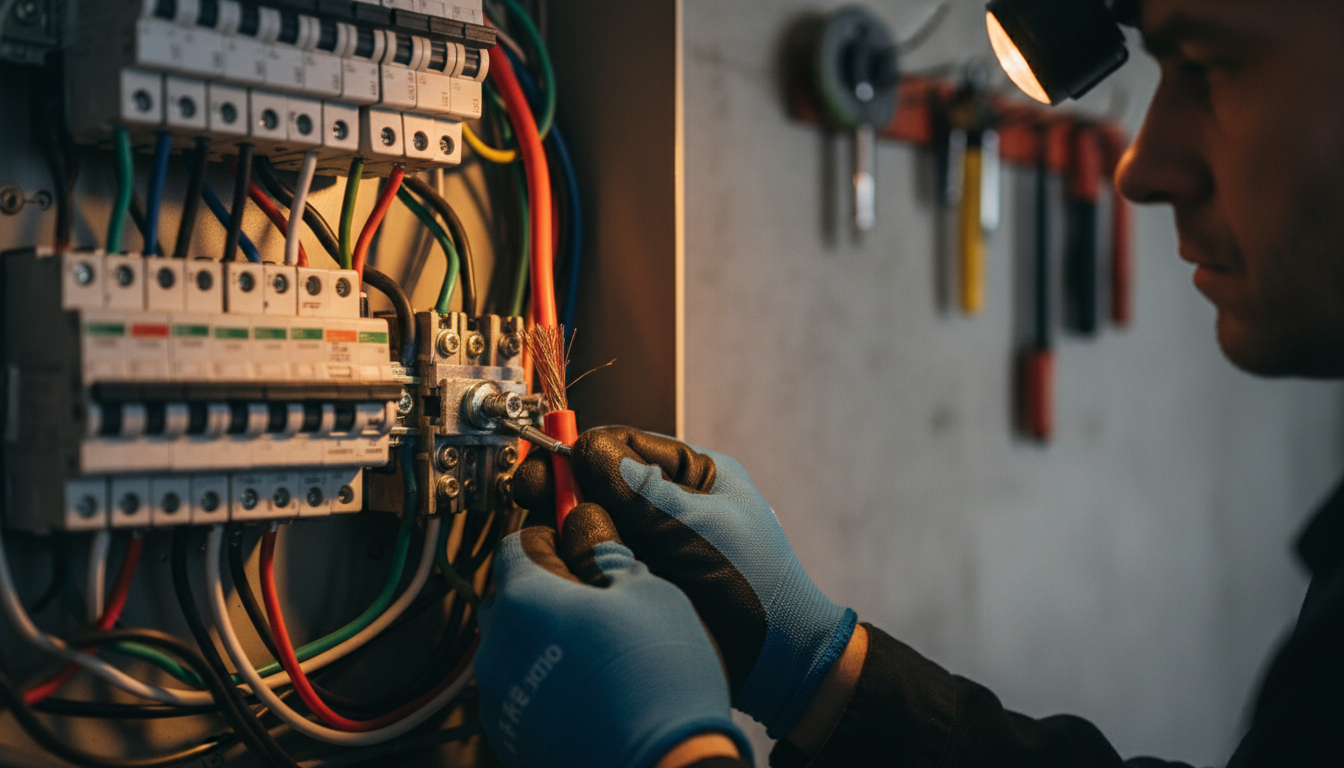
Investing in renewable energy requires a focus on long term safety to prevent electrical fires and equipment failure. Solar installations involve high voltage direct current (DC) that is converted into alternating current (AC), creating a continuous load that puts your infrastructure under constant thermal stress. If an installer uses undersized wiring or fails to secure terminal connections properly, the resulting resistance creates hotspots. These hotspots can melt wire insulation and ignite surrounding materials long before a breaker ever trips.
In the high desert environment of Central Utah, grounding and bonding present unique technical challenges. Soil conductivity in the rocky or sandy terrain around Nephi and Levan varies significantly. Without a properly bonded system and a low resistance ground path, your property remains vulnerable to lightning strikes and the static buildup common in our arid climate. When you evaluate the question, "do I need to upgrade my electrical panel for solar," consider that a new, code compliant panel often provides the most reliable foundation for these critical safety bonds.
Utilizing professional residential electrical services ensures that every lug is torqued to manufacturer specifications and every conductor is sized for peak summer production. To verify your system's integrity, contact Juab Electrical for an inspection or consult our electrical panel upgrade guide to learn how modern hardware mitigates these specific high voltage hazards.